
What Are Australian Loyalty Program Expectations in 2026?

In 2026, Australian consumers are more value-conscious, digitally engaged, and selective than ever. Amid rising living costs and increasing digital convenience, loyalty programs are no longer a novelty or a nice-to-have — they are an expectation. Whether you're a local cafe, a boutique retail store, or a multi-location salon, offering a compelling loyalty experience is now critical to retaining and growing your customer base.
In this article, we explore the latest trends, insights, and actionable takeaways on Australian loyalty program expectations in 2026, helping small and medium-sized businesses (SMBs) understand what matters most to modern shoppers.

The Loyalty Landscape in Australia (2025–2026)
Loyalty programs in Australia have become deeply embedded in the everyday consumer experience. Most shoppers belong to several programs at once — yet only engage with those that provide immediate, clear value.
According to recent insights, the average Australian is enrolled in 4–7 loyalty programs, but actively uses fewer than half. This signals a shift: consumers are becoming more selective. Programs that are difficult to use, slow to reward, or lack digital convenience are being ignored.
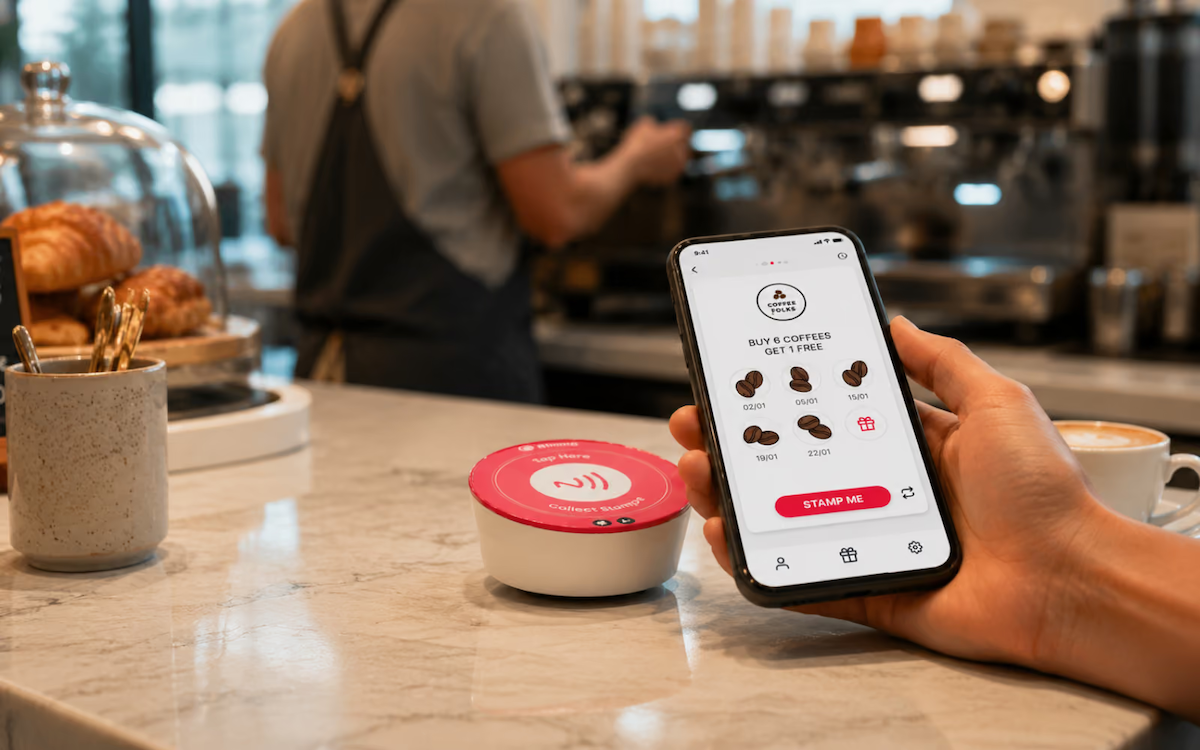
Meanwhile, small businesses are increasingly adopting digital loyalty platforms as a way to compete with major brands. With tools like Stamp Me, offering a loyalty program is no longer limited to enterprise players. Consumers now expect even their local coffee shop or takeaway spot to offer a seamless, digital-first rewards experience.
What Australian Shoppers Expect in 2026: Key Loyalty Drivers
1. Everyday Value
Today’s consumers are seeking real-world, frequent value from their loyalty memberships. Shoppers want to be rewarded for their regular spending habits — not just for big-ticket purchases or long-term accumulation.
Instead of mystery rewards or large point thresholds, they want:
- Discounts or cash-value rewards
- Freebies on visit milestones
- Exclusive access to specials or early promotions
Especially in the context of ongoing cost-of-living pressures, a loyalty program that delivers tangible value now, not later, will win attention and trust.
2. Simplicity and Transparency
Shoppers don’t have the time or patience for complicated terms, confusing point systems, or unclear redemption processes.
In 2026, the best-performing loyalty programs are those that clearly answer:
- How do I earn?
- What is my reward worth?
- How do I redeem it?
- When does it expire?
Removing friction is key. If the customer has to ask questions to understand the program, they’re already losing interest.

3. Personalisation, Not Spam
Consumers enjoy being recognised. Birthday perks, milestone rewards, or offers that reflect past behaviour are seen as thoughtful.
However, there's a fine line. Irrelevant offers or frequent push notifications can easily feel spammy.
In 2026, expect shoppers to engage more with programs that offer:
- Personalised promotions
- Smart reminders (e.g., "You're 1 stamp away from a free smoothie!")
- Meaningful engagement over quantity of communication
4. Flexibility in Rewards
Rigid loyalty programs are falling out of favour. Customers want choice: whether it’s how they earn, when they redeem, or what they redeem for.
Flexible programs allow:
- Choosing from a range of reward types
- Redeeming with no minimum spend
- Using rewards across channels (in-store and online)
Flexibility reduces the cognitive load and improves the perceived value of the program.
5. Recognition & Emotional Connection
While value is critical, emotional loyalty is what creates brand advocates. In 2026, Australians are still moved by the small things:
- A "thank you" for being a regular
- A surprise freebie on their birthday
- Tiered status or VIP treatment
This kind of experience builds loyalty that lasts longer than a point balance ever will.

How Often Australians Use Loyalty Programs
Loyalty usage in Australia is largely tied to purchase frequency and ease of engagement.
Programs that reward frequent, habitual purchases — like coffee, haircuts, groceries or takeaway — tend to see the most consistent use. Australians check or use their loyalty programs weekly, often guided by mobile notifications or in-app reward reminders.
The biggest drop-off occurs when programs:
- Require too many steps to redeem
- Don’t offer visible value
- Are still paper-based or tied to physical cards
For 2026, the key takeaway is: low friction = high frequency.
What’s Driving These Loyalty Expectations in 2026?
Several broader shifts have shaped consumer expectations this year:
1. Cost-of-Living Awareness
With household budgets tighter, shoppers are more reward-conscious. Loyalty programs are seen as a way to stretch value, not just gain perks.
2. Mobile-First Behaviour
Australians increasingly expect all brand interactions to be digital-first. Loyalty programs are no exception. App-based solutions with real-time updates are the norm.
3. Younger Generations Shaping Expectations
Gen Z and younger Millennials, in particular, are driving demand for:
- Instant rewards
- Clean user experiences
- Social features (referrals, milestones, gamification)
4. Accessible Technology for SMBs
Platforms like Stamp Me have removed barriers for small businesses to launch professional-grade loyalty experiences, raising customer expectations across all industries.
.png)
What This Means for Small Businesses
You no longer need a massive budget to offer a world-class loyalty experience. Today, it’s about smart, customer-centric design. Here’s how small businesses can meet shopper expectations in 2026:
Focus on short-term wins:
Use instant rewards or low-friction milestones to build engagement fast.
Use one-tap stamp collection:
Especially for cafes, takeaways, and online orders, this creates a seamless experience that aligns with mobile-first habits.
Make birthdays and milestones special:
This simple automation makes your program feel personal, without extra effort.
Send smart reminders, not spam:
Timely push notifications ("1 more visit till your freebie") increase return visits.
Let customers choose their rewards:
Where possible, offer a mix of rewards or at least give them a choice between products or categories.

Final Takeaways: Loyalty in 2026 Is Digital, Personal and Valuable
Loyalty programs in Australia have matured. Shoppers now demand more than just a rewards card. They expect:
- Mobile access
- Real-world value
- Flexibility
- A sense of being recognised
For small businesses, this is a golden opportunity. By aligning your loyalty program with modern shopper expectations, you not only increase repeat visits — you build trust, advocacy and long-term value.
Ready to Make Loyalty Work for You in 2026?
With Stamp Me, you can launch a fully digital loyalty experience that meets all of the expectations above — with zero technical hassle. Whether you're a coffee shop, salon, boutique, or multi-site brand, our platform helps you deliver value, connect emotionally, and turn customers into regulars.
Sign up for Stamp Me today and create a loyalty program your customers actually love as you head into the new year.

Enter a few details based on typical customer behaviour to estimate the revenue uplift and ROI a loyalty program could deliver.


.webp)