
How to Start a Loyalty Program in Australia (That Actually Works)

In Australia, more than 86% of consumers belong to at least one loyalty program, and nearly half actively engage with them. Loyalty programs are more than a gimmick — they are a powerful tool to boost profits and build long-term customer retention rates. When your customers feel a connection to your business, they naturally return, and every visit adds to your revenue.
In this blog, we’ll dive into how Australia’s small business landscape has shaped consumers’ expectations around loyalty programs and why these programs work so well. You’ll also discover which type of loyalty program will suit your business best and get a step-by-step guide on how to start a loyalty program of your own.
.avif)
Understanding the Australian Loyalty Landscape
Why Loyalty Works in Australia
Australia’s small business environment is highly concentrated, and consumers are exceptionally loyalty-literate. Programs like Flybuys, Woolworths’ Everyday Rewards, and Qantas Frequent Flyer have been part of Australian life for decades, conditioning customers to expect and engage with rewards programs.
Many Australians also have a strong appetite for savings, particularly given cost-of-living pressures. For these consumers, loyalty programs are not just perks — they are a practical way to save money and maximise value from everyday purchases.
What Australian Customers Expect
If you want your loyalty program to succeed, it must meet the expectations of Australian customers. They generally want:
- Simple mechanics: Programs need to be easy to understand. Complicated rules often discourage engagement.
- Mobile-first experience: With Australians increasingly using smartphones for shopping, apps and digital stamp cards are essential for convenience.
- Tangible value: Rewards like discounts, cashback, or free items resonate more than abstract point systems.
- Personalised offers: Targeted promotions that reflect buying habits make customers feel seen and valued.

How to Start a Loyalty Program in Australia
Define Your Objectives Before You Build
Before designing your program, clarify what you want it to achieve. Are you trying to increase visit frequency, grow average transaction value, reduce churn or capture customer data?
Clearly defined objectives will guide your program design and help measure success. Once you know what you want your loyalty program to achieve, it’s important to decide how you’ll measure success.
Look at things like how often customers return, how much they spend over time, how often rewards are redeemed, and how many new members join.
Keeping an eye on these metrics from the start makes it easier to see what’s working, make improvements, and grow your program effectively.
Understanding Your Customers
Knowing your audience is critical. Even a well-designed loyalty program will fail if it doesn’t meet your customers’ desires or habits.
You’d be surprised how many businesses miss the mark on loyalty programs simply because they never ask their top-spending customers what they actually want. If the rewards don’t appeal, participation drops — wasting your time and money. Ask your VIPs what would improve their experience, and they’ll tell you exactly what keeps them coming back.
Conducting surveys, analysing purchase histories, and asking customers for direct feedback can uncover what your customers truly value.
In a customer survey, you could ask questions like: what kind of reward would feel genuinely exciting? How likely would you be to visit more often if we offered a rewards program? Understanding these details allows you to design a program that encourages repeat visits and strengthens customer relationships.
.avif)
Choose the Right Loyalty Model for Your Business
One of the first hurdles you will be met with is digital vs paper loyalty cards.
Digital stamp cards are increasingly popular because they provide detailed insights into customer behaviour and integrate easily with marketing tools. They also simplify tracking and make it easy to adjust or update rewards.
Paper-based cards are simple and tangible but offer no data collection or analytics. They are often suitable for very small businesses or high-traffic locations where a quick, physical method is enough, but also can get damaged or lost.
Another consideration is paid vs free loyalty programs in Australia.
Paid platforms typically offer more sophisticated features, stronger branding opportunities, and meaningful data insights that help you understand and grow customer engagement.
While free or paper-based options may suit very small or simple operations, they often lack the tracking, flexibility, and analytics needed to scale. A digital, paid solution not only delivers better performance — it also reflects the quality and professionalism of your business.
.avif)
Choosing the Right Program Structure
There are typically three main loyalty structures you should weigh up for increasing repeat customers in Australia:
- Points-based: Customers earn points for each purchase and can “cash them out” for rewards. This is effective for larger businesses but can be confusing for small business customers. Examples include Starbucks and Mecca.
- Tier-based: Customers unlock higher rewards as they progress through levels. This structure is more suited to airlines or corporations, as it requires time to engage fully.
- Visit-based: Customers are rewarded for each visit with a qualifying purchase. For example, “Get a free coffee after 10 visits.” This structure is simple, quick to reward, and highly effective for small Australian businesses.
For most small businesses in Australia, a visit-based system works best. It’s easy for customers to understand, encourages repeat visits, and quickly delivers tangible rewards, which keeps the momentum going.

Select the Right Technology Partner
Your technology partner can make or break your program, so it’s important to choose this wisely. When selecting a partner, consider:
- Longevity and reputation: Choose a company with a proven track record in Australia, like Stamp Loyalty, or similar.
- Support and training: Make sure they provide onboarding, staff training, and responsive customer service for your timezone.
- Cost and flexibility: Compare subscription versus one-off fees and check for contract lock-ins.
- Ease of use: The platform should be intuitive for both staff and customers, with smooth app functionality.
- Data insights and reporting: Access clear metrics to track engagement, redemption, and ROI.
- Scalability: Ensure the platform can grow as your business and loyalty program expand so you don’t get stuck.
Selecting the right partner ensures your loyalty program is easy to manage, compliant, and enjoyable for both staff and customers.
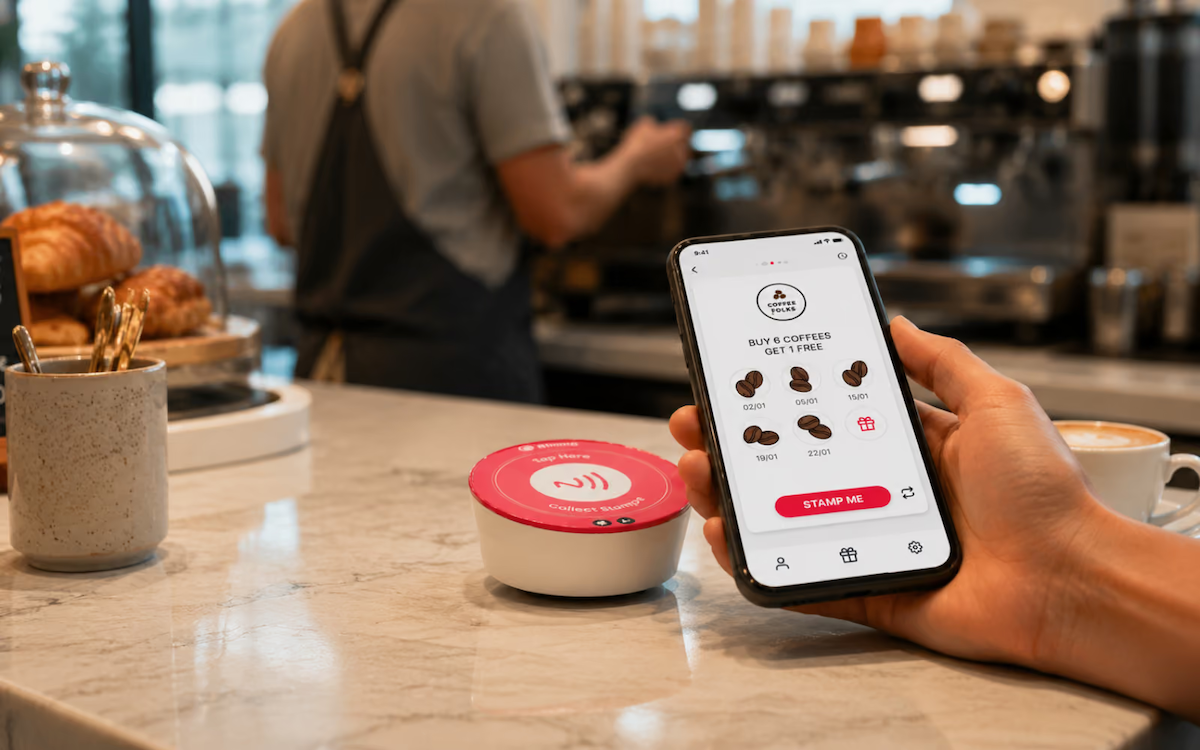
Stamp Me, rated 4.9 on the App Store, is a popular subscription-based platform turning the traditional ‘buy X, get Y free’ model into a digital stamp card, letting business owners track customer activity in real time, send SMS and push notifications, and integrate seamlessly with EDM platforms.
Ensure Compliance with Australian Regulations
Above all, whatever program structure or technology provider you go for, you should ensure you comply with Australian regulations.
A good provider will walk you through this, or set you up for success as part of their core offering. Compliance builds trust and protects your business in case anything goes wrong.
Key considerations include:
- Customer data transparency: Follow the Privacy Act 1988. Clearly explain what data you collect and why.
- Marketing consent: Adhere to the Spam Act 2003, consent required before sending promotional emails or SMSi, and opt-outs must be available and honoured promptly.
- Promotions and expiry: Under Australian Consumer Law, enforced by the ACCC, expiry dates, point conditions, and promotional offers must be clearly disclosed and fair.
- Competition rules: Scratch-and-win or random draws may require state permits.
Australia’s data security is under increasing scrutiny. Australian businesses are expected to safeguard customer data and breaches can result in major fines and reputational damage.
Simplicity and transparency are also crucial — Australians respond positively to programs they can easily understand and use.
.avif)
Plan Your Launch Strategy
Once you have the bulk of your program finalised, it’s time to think about how to introduce it to the world. Launching a loyalty program successfully requires careful planning, such as:
- Staff training: Ensure employees are confident in your program as they are the face of it. Make sure they can explain the program in one sentence, navigate the app, and answer customer questions.
- Time-Limited Join Reward: Create urgency and encourage sign-ups during the launch. For example, staff might say, “If you join our loyalty program today, you’ll receive 10% off this purchase,” or offer bonus stamps for members who sign up in the first week. A small, immediate incentive can significantly accelerate early adoption and build momentum.
- Promotion: Use in-store signage, SMS, email newsletters, social media, and your website to spread the word. All easy and efficient marketing ideas for small Australian businesses.
- Rewards: While a time-limited join incentive helps drive early sign-ups, your main reward is what sustains long-term engagement. Rewards are the heart of any loyalty program, so they should be desirable, achievable, and motivating — such as free items, upgrades, exclusive perks, or meaningful discounts.

Measure Success and Refine Your Program
Often, if a loyalty program isn’t producing the expected results, the issue lies in execution rather than the concept itself. Simple adjustments — such as routine staff training, simplifying the process, or regular promotions through social channels— can dramatically boost success.
To ensure it continues to deliver value, it’s important to regularly review performance and make adjustments where needed in order to increase your Australian customer retention.
Key metrics to monitor include redemption rates, repeat visits, customer retention, and overall ROI. These insights provide a clear picture of how your program is performing and where improvements can be made.
Conclusion & Next Steps
Starting a loyalty program in Australia doesn’t have to be complicated. To summarise, you should:
- Define your objectives
- Understand your customers
- Select the right technology partner
- Create a simple, visit-based reward structure
- Create a Clear and Simple visit-based reward structure
- Integrate the program into daily operations
- Promote the program effectively
- Make it part of daily operations
- Track, measure, and refine
With these steps, your small business can launch a successful Australian loyalty program, turning casual customers into loyal fans and driving meaningful growth.
Start your Loyalty Program in less than 5 minutes today!

Enter a few details based on typical customer behaviour to estimate the revenue uplift and ROI a loyalty program could deliver.





.webp)