
Why Loyalty Programs Fail — and How Small Businesses Can Fix Them Without Starting Over

Loyalty programs don’t start as complicated strategies, they start with good intentions. You want customers to come back more often. You want to increase revenue. You want to reward your regulars. You want something simple that just works.
But then reality hits.
Customers sign up… and stop using it.
Staff forget to offer stamps.
The app sits on their phone, unused.
Nothing really changes.
When business owners start asking why loyalty programs fail, it’s rarely because loyalty itself doesn’t work. More often, the issue is that the program isn’t being delivered in a way that fits real customer behaviour.
In this guide, we’ll break down why loyalty programs fail, what “not working” usually looks like, and how to fix your loyalty program without starting from scratch.
What “Not Working” Usually Looks Like
Before fixing a loyalty program, it helps to clearly define the problem. When small businesses say their loyalty program isn’t working, they usually mean one (or more) of the following:
- Customers forget to ask for stamps
- Staff forget to offer loyalty
- Rewards feel too far away to bother
- There’s no noticeable increase in repeat visits
- The app sits unused after download
If any of this sounds familiar, keep reading.
Reason #1: Your Loyalty Program Is Too Complicated
This is one of the most common loyalty program mistakes.
Many programs fail because they ask customers (and staff) to remember too much:
- Points instead of visits
- Multiple tiers
- Conditions, exclusions, fine print
- Rewards that change depending on spend
For a busy small business, complexity kills momentum. When loyalty rules aren’t instantly clear, it becomes easy to see why loyalty programs fail to gain traction — not because customers don’t care, but because the system asks too much.
In small business loyalty programs, simplicity is what drives customer retention. Digital loyalty programs work best when they use visit-based rewards and clearly show how repeat visits lead to meaningful rewards over time.
Why this happens
At checkout, customers have seconds — not minutes — to engage with loyalty. If the rules aren’t instantly clear, they disengage.
The fix
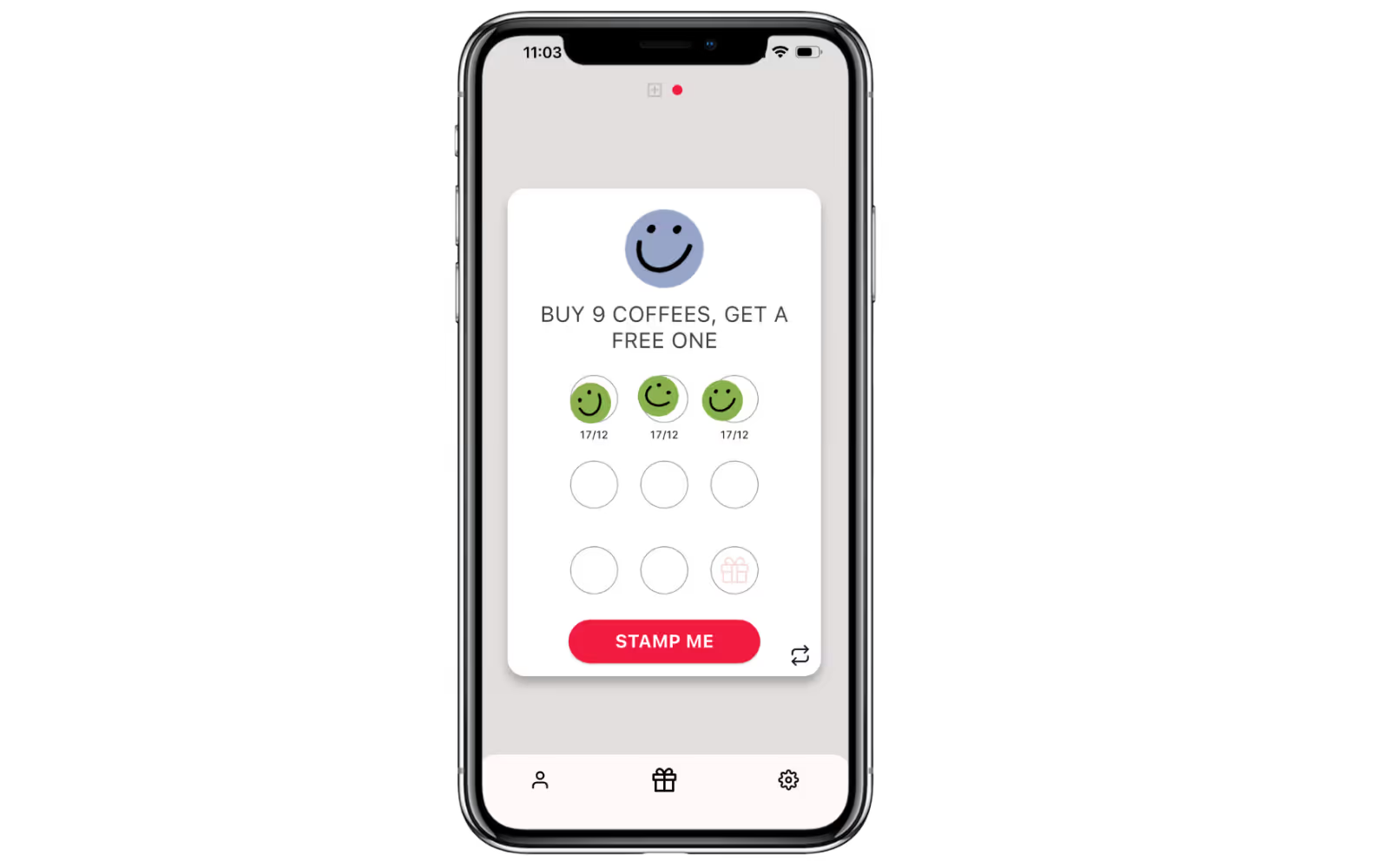
Keep loyalty simple and visit-based.
The most effective loyalty programs follow one clear formula:
X visits = Y reward
No math. No explanations.No confusion. Visit-based rewards.
Reason #2: Customers Forget They Even Have a Loyalty Card
Out of sight really does mean out of mind.
Paper loyalty cards get:
- Lost
- Left at home
- Destroyed in wallets
- Forgotten entirely
Even loyal customers forget to bring them — which means missed stamps and missed motivation.
When loyalty is easy to forget, it’s easy to see why loyalty programs fail to drive repeat customers.
The fix
Move loyalty onto customers’ phones.
Digital loyalty cards are:
- Always accessible
- Easier to present at checkout
- Less likely to be forgotten
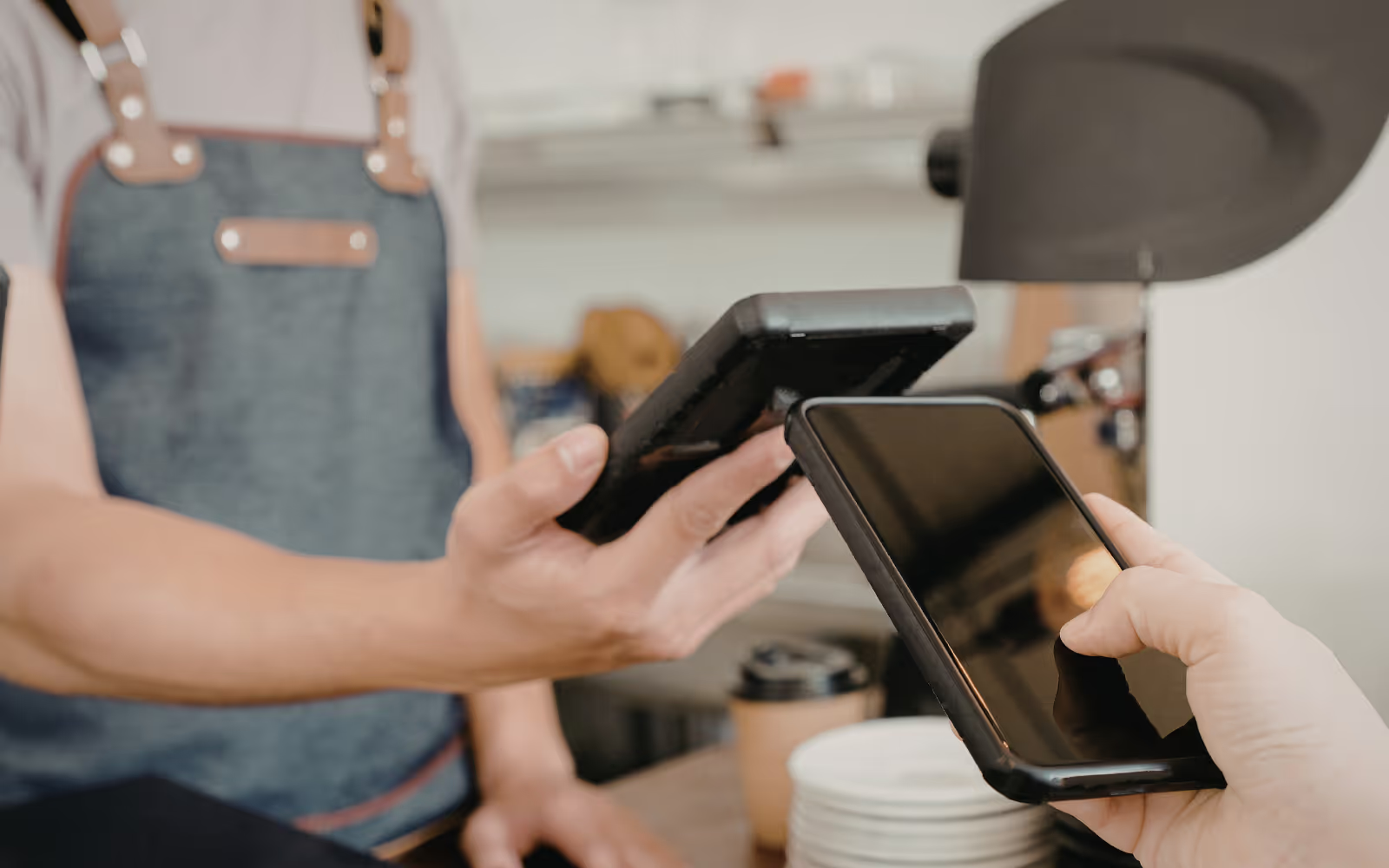
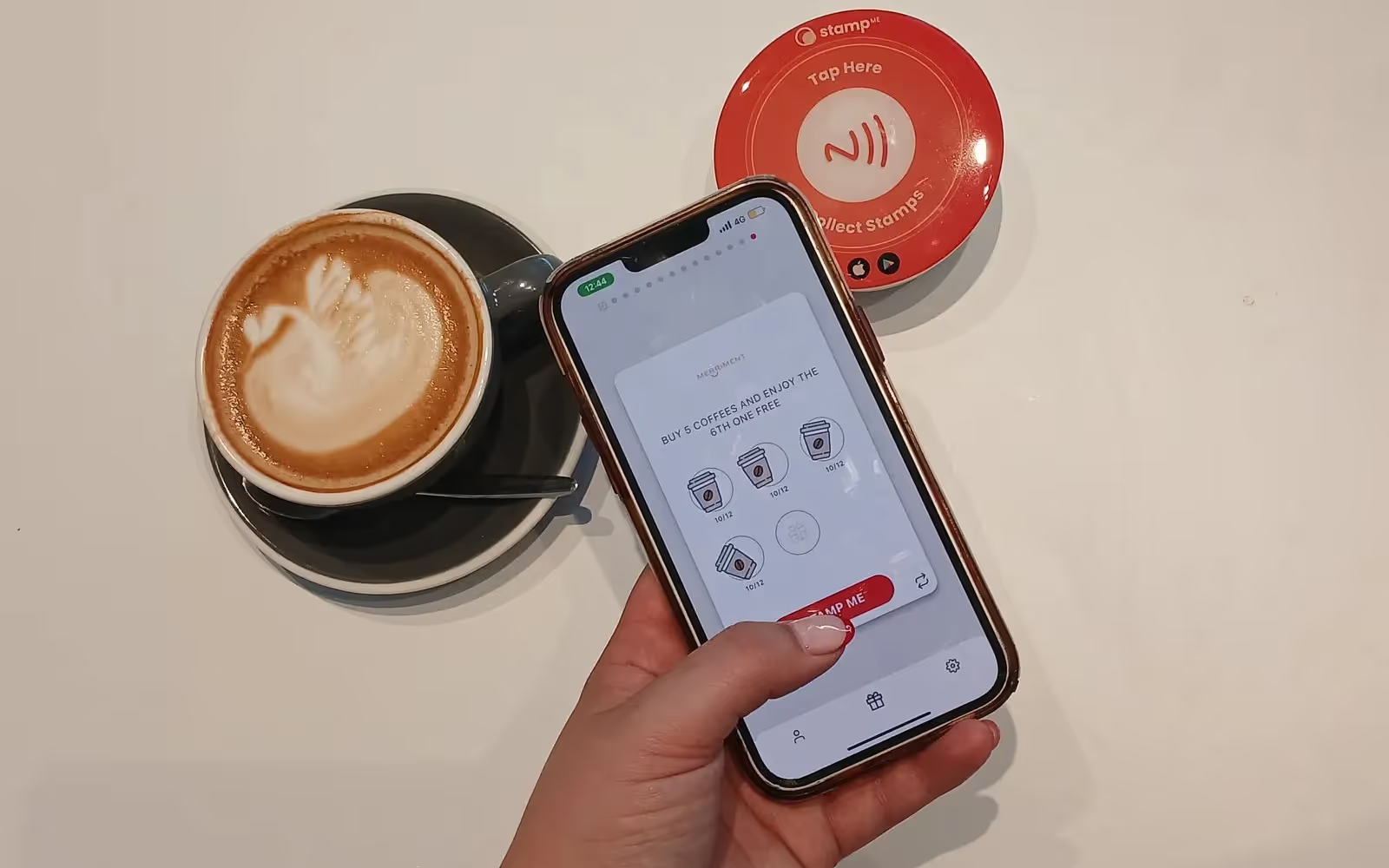
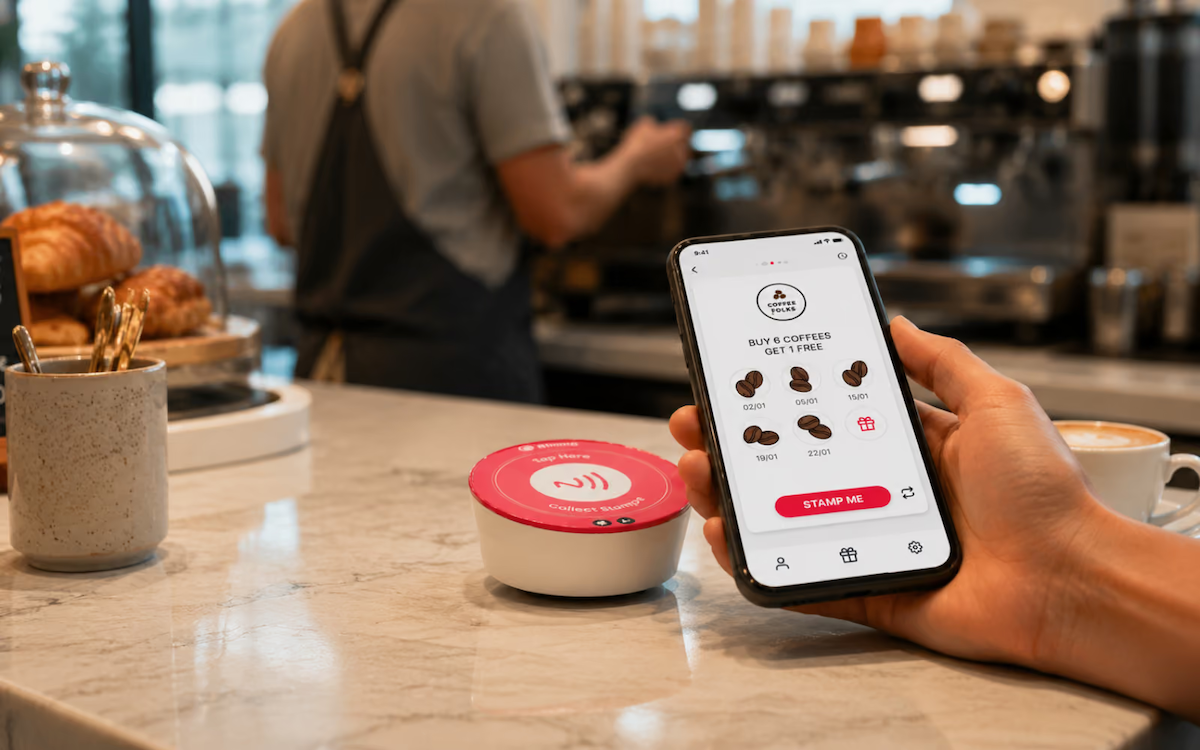
That’s why many small businesses switch to digital stamp cards like Stamp Me. Customers simply open their app, tap ‘Stamp Me’ on their stamp card, then tap or scan to earn a stamp. It’s quick, easy, and fun.
When loyalty is easy to access, usage goes up, and customer retention is achieved.
Reason #3: Your Reward Isn’t Motivating Enough
Not all rewards feel rewarding.
A loyalty program can technically “work” but still fail to change behavior if the reward doesn’t feel worth it.
Common weak rewards
- “5% off your next visit”
- Small discounts that barely register
- Rewards that take too long to earn
Better-performing rewards
- A free product or service
- A complimentary visit
- A bonus experience or upgrade
The key isn’t cost — it’s perceived value.
A free coffee or free class feels more exciting than a small discount, even if it costs you the same. When designed correctly, loyalty programs are one of the most effective customer retention tools for small businesses.
Some of the most effective loyalty rewards aren’t transactional at all.
A birthday reward, for example, feels personal. It makes customers feel recognised — not discounted — and creates a positive touchpoint even when they’re not actively visiting.
Reason #4: Staff Aren’t Confident or Consistent
Loyalty programs don’t crash — they get “ignored”.
This usually happens when:
- Staff forget to integrate your loyalty program as part of everyday operations
- Staff aren’t sure how it works and aren’t confident in explaining it
- The process feels awkward or slow
Customers notice when the stamping and reward process feels slow or awkward, or when staff don’t mention the program to new visitors. This makes it harder to onboard customers and grow loyalty.
The fix
Make loyalty easy for staff to deliver.
That means:
- One simple, repeatable process
- Clear, consistent training so staff feel confident in the program
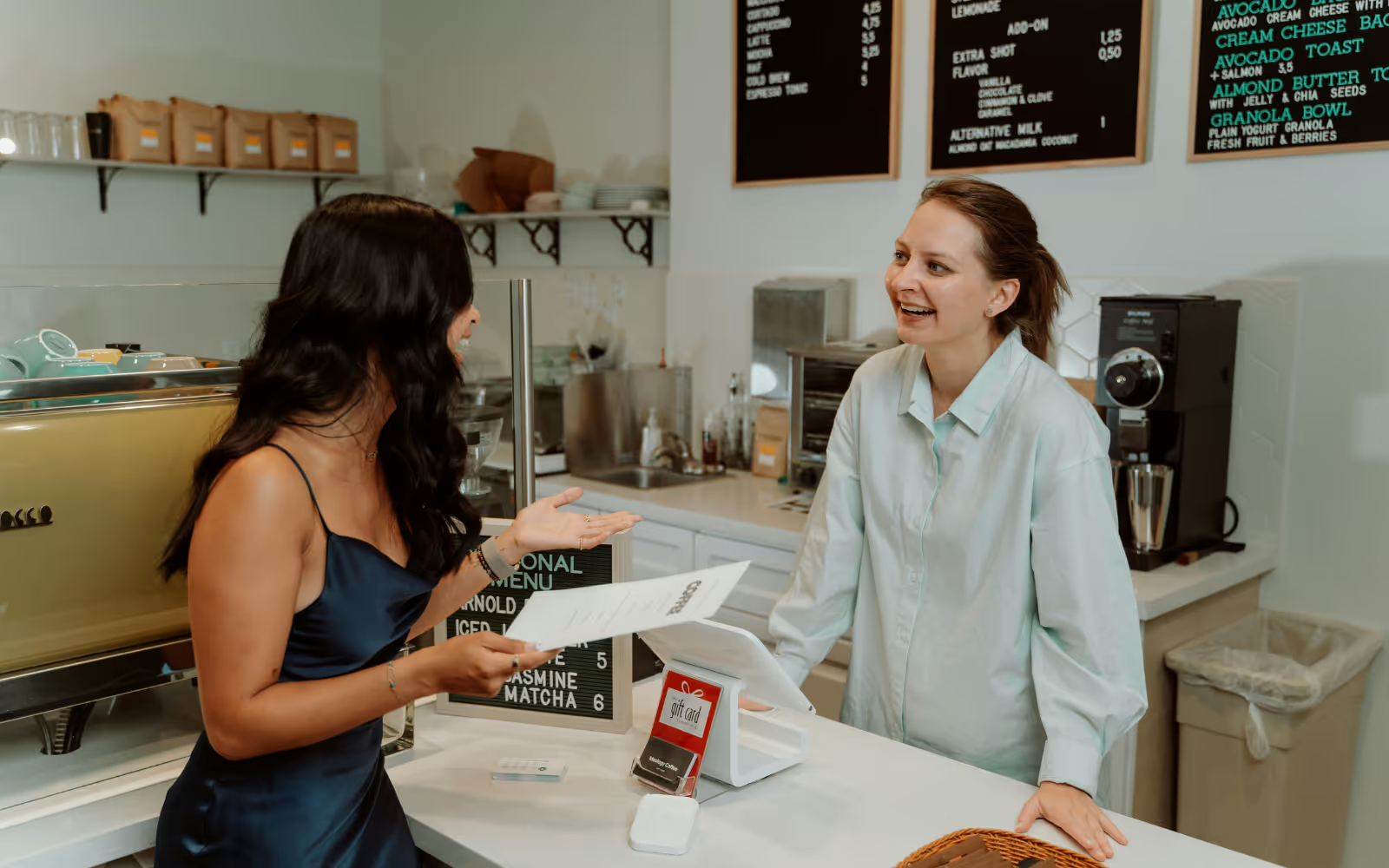
- A straightforward script (“Joining our loyalty program is easy. Simply scan this QR code to join.”)
- A ready-to-go incentive, like a free reward or discount when customers sign up to the loyalty program on the spot
Reason #5: You’re Treating Loyalty Like a Discount Program
This is a strategic mistake — and a costly one.
Loyalty programs are not meant to replace discounts. When loyalty is just another discount mechanism, it attracts price-hoppers, not regulars.
Loyalty works best when it:
- Rewards behavior (visits, consistency)
- Encourages habits
- Feels like a perk for regulars- not just a promotion for everyone
When done right, loyalty builds routine — not just transactions.
How Stamp Me Fixes the Most Common Loyalty Problems
Move loyalty onto customers’ phones — and keep it working in the background.
With a digital loyalty program like Stamp Me:
- Customers always have their loyalty app on their phone
- Stamping is quick and consistent, making it easy for staff to deliver every time
- Rewards are simple, motivating, and visit-based
- Lapsed customers can be automatically re-engaged with a reminder or reward
- Optional touches like birthday or surprise rewards make customers feel valued, not discounted
When loyalty is easy to access and actively maintained, it stops being forgotten — and starts driving repeat visits.
Step-by-Step: How to Relaunch a Loyalty Program That Actually Works
If your current loyalty program isn’t performing, you don’t need to scrap everything.
Here’s how to relaunch it effectively:
- Simplify the reward
Choose one clear, achievable reward. - Switch to digital
Make the card easy to access and impossible to lose. - Train staff on one message
Keep it consistent and natural. - Promote it for two weeks straight
Signs, verbal reminders, social posts.
Watch engagement — not spreadsheets
Are customers stamping and engaging with your program? That’s success.
This simple relaunch often makes a bigger impact than starting over.
When Loyalty Programs Work Best for Small Businesses
Loyalty programs work best if:
- Your business relies on repeat visits
- You want retention without constant discounts
Loyalty won’t fix:
- Poor service
- Inconsistent quality
- Businesses with one-off transactions
Loyalty is one of the most cost-effective growth tools available.
Fix Your Loyalty Program Without Starting From Scratch
If you’re trying to understand , the problem usually isn’t loyalty — it’s how the program is set up.
Switching to a simple digital stamp card can make all the difference.
Start fresh in minutes with Stamp Me and turn repeat visits into real growth.

Enter a few details based on typical customer behaviour to estimate the revenue uplift and ROI a loyalty program could deliver.





.webp)