
Ways Small Independent UK Businesses Can Stand Out from Chains
TL;DR: Independent businesses can compete with big chains by focusing on what chains cannot replicate: personal service, community connection, and authentic customer experiences. The best ways to stand out in 2026 include using digital loyalty programmes, building email and SMS lists, improving local SEO, creating memorable in-shop experiences, and making customers feel genuinely valued. Customers already want to support local businesses — the key is giving them a reason to keep coming back.
Key takeaways:
- 63% of UK shoppers strongly favour buying locally — the demand is there, independents just need to capture it
- Repeat customers cost far less to retain than to replace, making loyalty the highest-ROI investment most independents aren't making
- Digital loyalty programmes outperform paper stamp cards on every metric: no lost cards, better customer data, and built-in communication tools
- Your Google Business Profile is free and can put you alongside chains in local search results, most independents are barely using it
- Owning an email or SMS list beats social media for reliability — algorithms change, your contact list doesn't
- The "shop local" movement is real and growing: Brits will pay more to support an independent, but they need reminding you exist
Independent businesses have always been the heart of British high streets. They create character, employ local people, support nearby suppliers, and offer the kind of personal service customers rarely experience in large chains. But in 2026, running an independent business in the UK comes with serious challenges.
Between rising rents, soaring energy bills, increased National Insurance contributions (which came into force in April 2026), and supplier costs that show no sign of retreating, the economics are genuinely tough. Add to that the continued dominance of national chains and the lure of next-day delivery from online giants, and it can feel like an uphill battle. Many small business owners are asking the same question:
How can a small independent UK business compete with big chains?
Competing on price alone against the buying power of a national chain is, frankly, not a battle worth fighting. But here's the thing: you don't have to. Small independent businesses have something chains simply cannot manufacture — authenticity, personal connection, and genuine community roots. The businesses that are thriving right now are the ones leaning into exactly those strengths, while pairing them with smart, affordable digital tools.
Here are the most effective marketing ideas for independent businesses looking to increase footfall, attract repeat customers, and stand out from chains in 2025.
1. Ways Independent Businesses Can Stand Out: Make Customers Feel Personally Valued
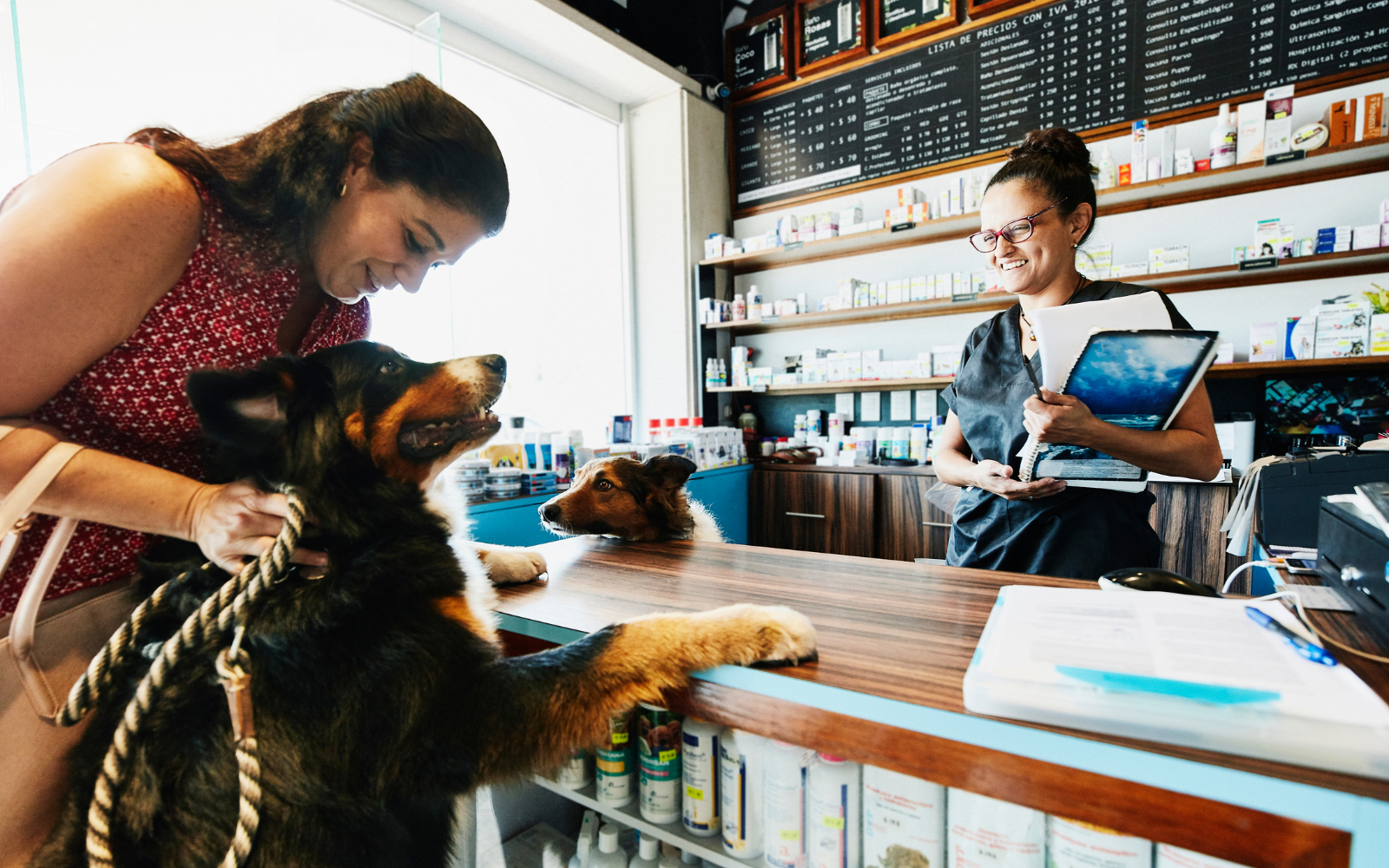
Walk into a large chain and you're a transaction. Walk into your favourite local coffee shop or boutique and the owner might already know your name, your usual order, or ask how your holiday went. That difference is worth more than any marketing campaign.
Independent businesses have the extraordinary advantage of being able to build real relationships with their customers — something no amount of corporate training can replicate.
Small, consistent gestures go a surprisingly long way. Remembering a regular's name or usual order signals that they matter. Genuine personalised recommendations — rather than scripted upsells — build trust rather than erode it. A handwritten thank-you note tucked into a purchase costs almost nothing and is remembered far longer than the product itself. Training your team to be warm and familiar rather than transactional turns every interaction into a reason to return.
Research shows that three-quarters of UK SMEs say their local community significantly contributes to their success. That relationship is a two-way street, and it starts with how you treat every person who walks through your door

2. Why Are Digital Loyalty Programmes Outperforming Paper Stamp Cards?
Repeat customers are worth far more than one-off footfall. They spend more, refer others, and are far cheaper to retain than to find.
Yet many small businesses still rely on paper loyalty cards — or no loyalty scheme at all.
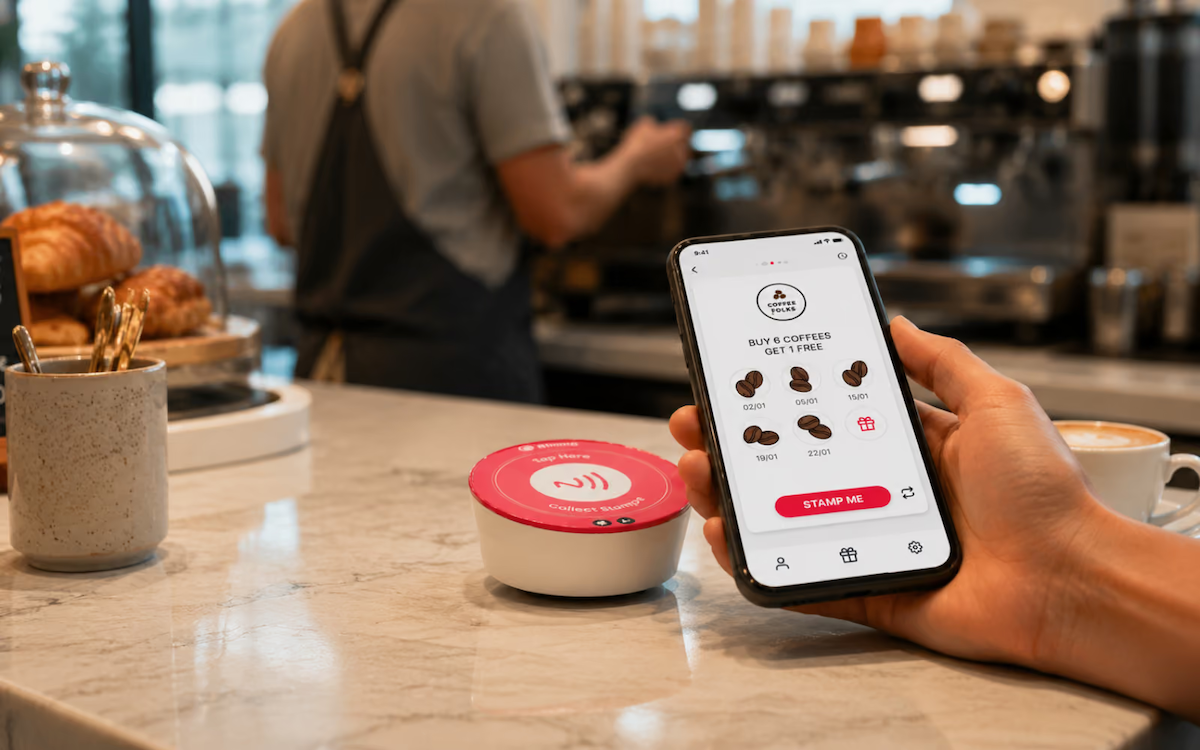
Digital loyalty programmes are one of the most practical small business survival tips available today because they encourage repeat visits while also helping businesses collect valuable customer data.
Digital loyalty programmes outperform paper cards on every measure. Customers never lose a digital card, so you never lose a redemption. You also gain real insight into buying behaviour — who visits, how often, and what they respond to — which makes it far easier to promote offers, fill quiet periods, and integrate with email and SMS marketing. The result is meaningfully better customer retention than a stamp card can deliver.
For example, a cafe can automatically reward every seventh coffee purchase, while also sending personalised offers during quieter periods to increase footfall in the local business.
.png)
3. Build an Email and SMS List You Actually Own
One of the biggest mistakes independent businesses make is relying entirely on social media platforms for communication.
Instagram, Facebook, and TikTok can help with visibility, but algorithms constantly change. A post may only reach a small percentage of your followers.
An email or SMS list is different because you own it.
Building a customer database gives you a direct communication channel that isn’t controlled by a social platform. It also allows you to market more effectively without spending heavily on advertising.
The easiest way to grow your list is to make signing up feel worthwhile at the moment it's offered. A small discount at checkout, free WiFi that requires an email to connect, a giveaway entry, or an exclusive newsletter deal all give customers an immediate reason to share their details. QR code sign-up forms placed near the till or on tables remove any friction entirely. Collecting emails as part of your loyalty sign-up is particularly effective because the customer is already engaged.
Once you have a list, consistency matters more than frequency.
You do not need to send daily emails. A useful monthly update is often enough for independent businesses.
Good email content feels like a message from someone who knows you, not a broadcast from a brand. New arrivals, seasonal specials, and exclusive discounts give customers a reason to act. Local events, customer stories, and behind-the-scenes updates give them a reason to care. That combination — useful and personal — is what keeps open rates high and unsubscribes low.
SMS marketing can also be highly effective for time-sensitive offers, particularly for cafes, salons, restaurants, and retail shops.
Independent business marketing works best when it feels personal rather than corporate.

4. Lean Into "Local" — It's Your Biggest Competitive Advantage
A survey by Uberall found that 63% of UK shoppers strongly favour buying locally. Meanwhile, research published in December 2024 found that 81% of UK consumers say they consider shopping with small businesses, and that Brits are willing to pay up to £6.54 more for a hot drink from an independent than from a chain.
Consumers increasingly care where they spend their money. Many shoppers understand that supporting local businesses helps preserve high streets, create jobs, and strengthen communities.
But customers need reminding of that value.
Independent businesses should proudly communicate their local roots throughout their branding and marketing.
Effective ways to reinforce local identity include:
Display “Shop Local” Messaging
Simple signage can genuinely influence purchasing decisions.
Window stickers, posters, and shelf signage that emphasise your independent status help customers feel their spending choice matters.
Partner With Nearby Businesses
Cross-promotions between independent businesses can increase exposure for everyone involved.
Examples include:
- Cafes partnering with local bakeries
- Bookshops hosting local author events
- Florists collaborating with wedding venues
- Or gyms promoting nearby health food stores
Chains cannot replicate authentic local collaboration.
Support Community Causes
Customers notice businesses that contribute positively to their area.
Sponsoring a school fundraiser, donating raffle prizes, supporting local charities, or participating in community events all strengthen emotional connection and trust.
Highlight Local Suppliers
Customers increasingly care about provenance and sustainability.
If your products are locally sourced or made in Britain, communicate it clearly online and in-store.
Stories sell far better than generic marketing claims.

5. Is Your Google Business Profile Doing Enough to Drive Footfall?
For many independent businesses, your Google Business Profile is now more important than your homepage. When someone searches "coffee shop near me," "best florist in York," or "independent gift shop Manchester," your Google listing is often the first thing they see — before your website, before your social media, before anything else. Yet many small businesses set it up once and never touch it again.
A fully optimised, actively maintained profile can dramatically improve local visibility and drive real footfall. Here's what that actually looks like in practice.
Keep Your Information Accurate — Always
Make sure your opening hours, phone number, address, and website link are always current. This sounds obvious, but outdated holiday hours are one of the most common reasons customers show up to a closed door and leave a negative review. Update your hours for bank holidays, Christmas, and any other closures before they happen, not after.
Upload Photos Regularly
Google's own data shows that businesses with photos receive significantly more clicks and direction requests than those without. Upload photos of your storefront, products, team, interior, events, and seasonal displays. You don't need a professional photographer — natural, well-lit smartphone photos perform well. Aim to add new images at least once a month to signal to Google that your profile is active.
How to Actually Ask for Reviews (Without It Feeling Awkward)
Positive reviews are one of the strongest signals in local search rankings, yet most businesses leave this entirely to chance. The simplest approach is to ask at the moment a customer is happiest — just after a great interaction, a successful appointment, or a compliment at the till.
A few approaches that work well:
- In person: "That's really kind — if you ever have a moment, a quick Google review would mean the world to us. I can send you the link if that helps."
- By text or email: "Thanks so much for coming in today — if you enjoyed your visit, we'd love it if you left us a quick Google review. It really helps a small independent like us. Here's the link: [direct review link]"
- QR code at the till or on receipts: A printed QR code that takes customers directly to your review page removes all friction. You can generate a direct review link for free through your Google Business dashboard.
Always respond to every review — positive or negative. Thanking someone for a kind review shows warmth. Responding professionally to a critical one shows integrity, and other potential customers notice both.
Use Google Posts — Most Independents Don't
Google Posts are essentially free advertising space that appears directly in your search listing, and the majority of independent businesses ignore them entirely. You can post about upcoming events, seasonal offers, new products, limited-time deals, or anything worth shouting about — and it appears in search results without spending a penny.
Some examples of effective Google Posts for independent businesses:
- "New in this week: British-made candles just landed in store. Come in and smell them for yourself — we're open Monday to Saturday, 9–5."
- "Quiet tables available this Thursday afternoon — perfect for a catch-up over a decent coffee. No booking needed."
- "We're hosting a wreath-making workshop on 6th December. Only 8 spaces. DM us or call to book yours."
- "Our Easter hampers are back — locally sourced, beautifully packed, and ready to collect from Friday. Pop in or order by phone."
Posts expire after seven days, so aim to refresh them weekly or whenever you have something worth promoting. It takes five minutes and puts your business in front of people who are already searching for exactly what you offer.
Local SEO remains one of the best free marketing tools for small UK businesses precisely because it targets people with intent — they are already looking, already nearby, and already close to a decision. A well-maintained profile puts you alongside national chains in those results, regardless of how much they're spending on advertising.
6. What Kind of Experience Keeps Customers Coming Back?
Modern consumers increasingly shop for experiences, not just products.
That trend strongly favours independent businesses.
Independent businesses are perfectly placed to create moments that chains, bound by corporate brand guidelines, simply cannot.
Think about hosting small events: book clubs, craft workshops, tasting evenings, board game nights.
Cafes across the UK are thriving by becoming genuine community hubs, not just places to buy a flat white. Seasonal specials and limited runs create excitement and urgency. Thoughtful decor, a great window display, or a signature product worth photographing encourages the kind of user-generated content that functions as free advertising.
And never underestimate the power of consistency — the right music, the right smell, the right lighting. People return to places that reliably feel good.

7. Be Active on Social Media — Does Your Social Media Feel Human Enough?
For local shop marketing ideas, you don't need a professional photographer or a social media manager to win on social. In fact, overly polished content often feels corporate and cold — the exact opposite of what draws people to an independent in the first place. Authenticity consistently outperforms production value for small businesses.
The content that performs best for independents tends to be the least produced. Behind-the-scenes videos, staff introductions, and day-in-the-life clips give followers a genuine sense of who you are. Showing the process behind a product — how it's made, sourced, or chosen — builds far more trust than a polished product shot. Customer spotlights (with permission), local area content, honest business updates, and seasonal preparations all reinforce the same message: there are real people here who care about what they do.
The goal is not necessarily viral reach.
The goal is familiarity.
When people repeatedly see your business appearing naturally in their feeds, they are far more likely to think of you when deciding where to shop.
Consistency matters more than production quality.
8. Remove Friction — Make It Easy to Buy From You
Consumers expect convenience.
If buying from your business feels complicated, customers may default to a chain or online retailer instead.
Independent businesses should remove as much friction as possible from the customer experience.
That means accepting contactless payments as standard, offering Apple Pay and Google Pay, enabling online bookings where relevant, simplifying returns, and making loyalty rewards easy to use rather than an extra step. None of these are large investments, but together they remove the small irritations that quietly push customers toward a chain.
Even small operational improvements can significantly affect conversion rates and repeat visits.
Customers want the convenience of a chain combined with the personality of an independent.
The businesses succeeding in 2026 are delivering both.

9. Do Your Customers Actually Know Your Story?
Customers increasingly choose businesses that align with their values.
But many independent businesses fail to clearly explain;
Who they are.
Why do they exist?
And what makes them different.
Your story matters.
Perhaps your business is: family-run, locally sourced, environmentally conscious, or rooted in a personal passion?
These are not minor details. They are competitive advantages.
Your story should appear consistently everywhere a customer encounters you — your website, packaging, in-store signage, email marketing, and social media. Consistency is what turns a detail into an identity. When every touchpoint reinforces the same values, customers don't just remember you; they trust you.
People do not simply buy products anymore. They buy meaning, identity, and emotional connection.
That is something large chains often struggle to communicate authentically.
The Bottom Line
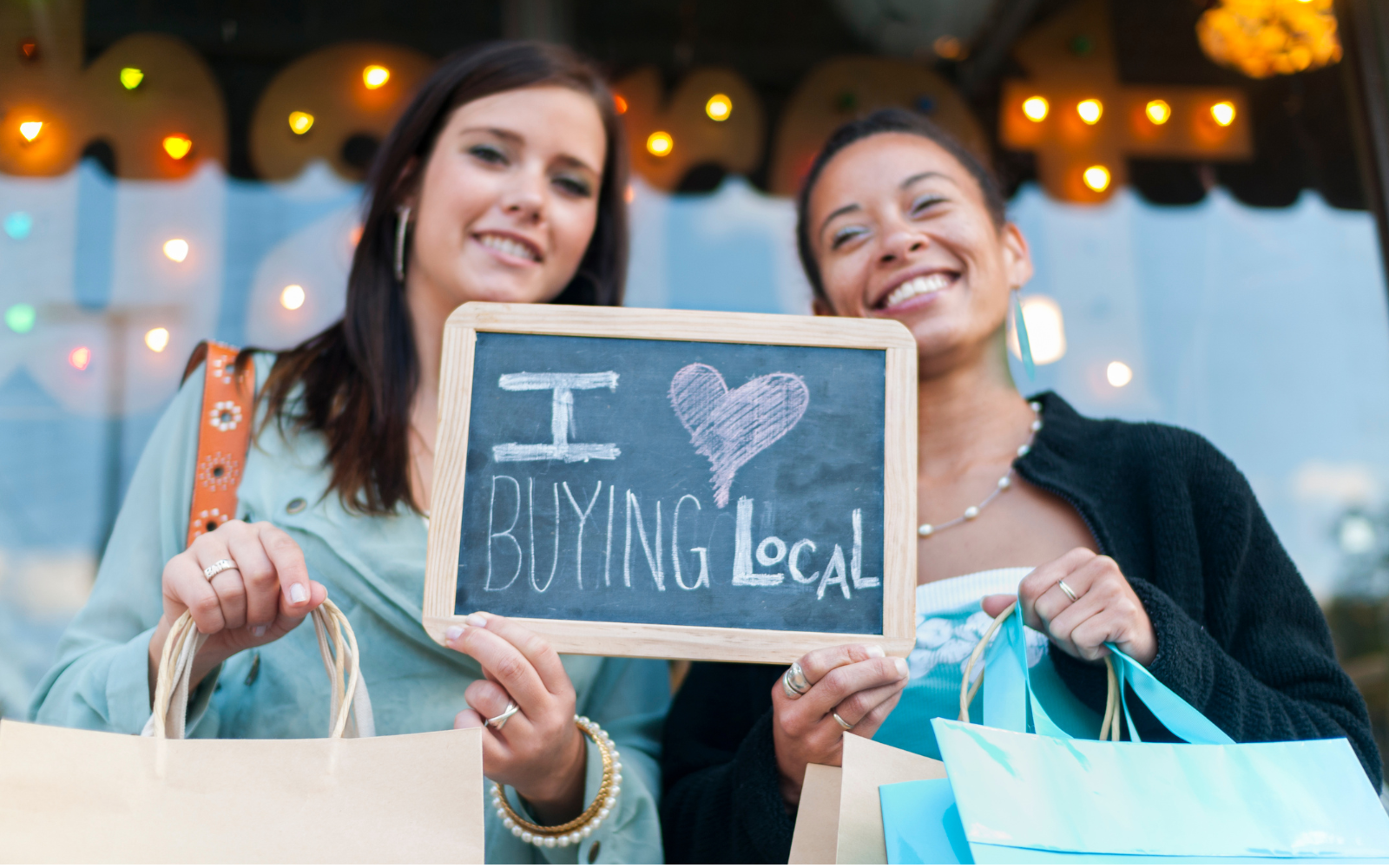
The good news — and there genuinely is good news — is that UK consumers want to support independent businesses. Consumers are increasingly drawn to small businesses because of the personal touch, and that sentiment is only growing. The challenge is giving people every possible reason to act on that instinct.
You do not need a massive advertising budget to compete with big chains.
You need: a clear identity, loyal customers, modern tools, and a business experience people genuinely want to return to.
Ready to build the kind of loyalty that keeps customers coming back — without a chain-sized budget? Stamp Me makes it simple for independent businesses to reward regulars, collect customer data, and drive repeat visits from as little as £49 per month. Try it for free.

Enter a few details based on typical customer behaviour to estimate the revenue uplift and ROI a loyalty program could deliver.



.webp)