
How to Scale Your Cafe or Restaurant Loyalty Program Across Your First Few Locations

TL;DR: Scaling from one location to multiple? Your loyalty program needs to scale with you. A strong multi-location loyalty program keeps the experience consistent across every store, so customers feel recognized and rewarded no matter where they visit. Without this, you risk confusion, lost data, and missed repeat visits.
Key takeaways:
- Loyal customers spend up to 67% more — retention drives growth
- Paper or manual systems break down quickly across multiple locations
- A digital loyalty program centralizes customer data, keeps rewards consistent, and decreases labor
- Automation (e.g. birthday rewards, “we miss you” offers) keeps customers engaged without extra workload
- Staff training is critical — execution at the counter drives sign-ups
How Can I Scale My Loyalty Program?
Opening a second or third location is one of the most exciting milestones in hospitality. More sites, more customers, more staff — and genuine proof that what you've built is worth replicating. But growth brings complexity, and few things feel that pressure more quickly than your loyalty program.
What worked beautifully for one store — a paper stamp card behind the counter, a deal you ran on the spot, a regular who the team knew by name — starts to crack the moment you add another location. Suddenly there are inconsistencies, gaps in customer data, staff who aren't sure how the program works, and customers who feel like they're starting from scratch every time they visit a new site.
The good news: scaling your loyalty program doesn't have to be complicated. With the right systems and strategies in place early, your loyalty program can grow with your business — strengthening customer relationships across every location rather than fragmenting them.
Why Scaling Your Loyalty Program Matters
A loyalty program becomes more powerful as you grow — but only if it scales correctly. When a customer who loves your first location discovers you've opened a second, they should be able to walk in and feel the same sense of recognition and reward they're used to. That continuity is what turns a single-location regular into a multi-location advocate.
The risk of not scaling properly is significant. Inconsistent customer experiences erode trust. Fragmented data means you can't understand how customers behave across your business as a whole. Missed engagement opportunities — a customer who visited three times but was never prompted to return — translate directly into lost revenue.
Loyal customers spend on average 67% more than new ones, and repeat visits are the foundation of sustainable hospitality revenue. As your business expands, your loyalty program shouldn't just keep pace — it should become one of your most valuable growth tools.

Common Challenges When Expanding Your Loyalty Program
Before jumping to solutions, it's worth naming the problems clearly. These are the pain points that catch growing cafe and restaurant groups off guard.
Inconsistent Rewards Across Locations
When each location runs slightly different offers — one store does buy 9 get 1 free, another does buy 8 get 1 free, another runs its own deals entirely — customers notice. Confusion leads to frustration, and frustration leads to disengagement. A customer shouldn't have to think about which version of your loyalty program applies at which store.
Manual Tracking Becomes Impossible
Paper stamp cards and informal tracking systems work fine with one team in one location. The moment you have two or three stores, different staff, and hundreds of customers across sites, manual systems break down. Cards get lost, stamps get given inconsistently, and there's no way to see the bigger picture.
Lack of Centralized Data
Without centralized data, you're flying blind. You can't tell which locations are driving the most repeat visits, which customers are at risk of churning, or how your loyalty program is performing as a whole. Growth without data visibility is growth you can't steer.
Staff Training and Execution Issues
Your loyalty program only delivers results if customers actually join it and use it — and that depends heavily on your team. When staff turnover is high, training is inconsistent, or team members simply don't prioritize promoting the program, sign-up rates suffer. A loyalty program that isn't actively promoted quickly becomes invisible.
Here's 5 steps to take to prepare your business for the next chapter and to address these challenges before they become problems:
Step 1: Move to a Digital Loyalty Program (If You Haven’t Already)
If you’re still using paper stamp cards, scaling is going to get messy fast.
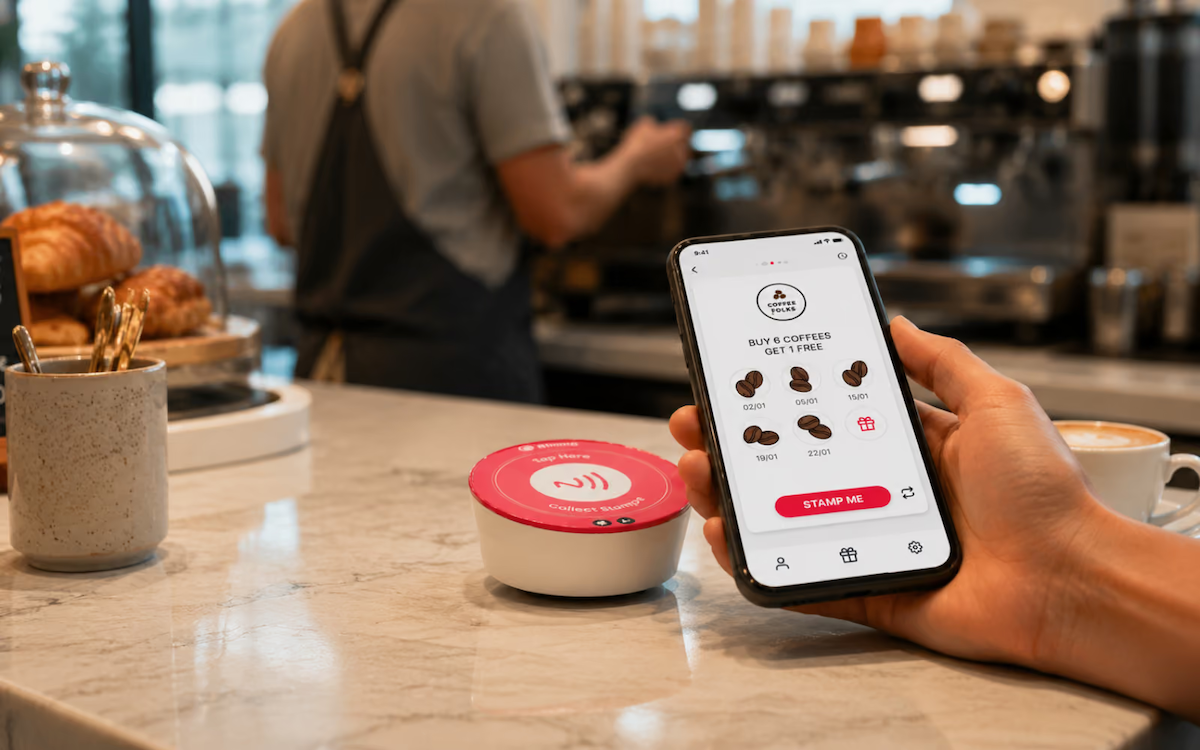
A digital loyalty program makes life easier when you have more than one location because it quietly handles the things you can’t keep track of manually.
It helps you:
- Keep all your customer info in one place (instead of notebooks or spreadsheets)
- See who’s coming back regularly, across all stores
- Run rewards without having to remember or manage them day-to-day
- Keep the experience consistent no matter which location they visit
And it also answers the questions you usually end up guessing at:
- Who are your regulars (not just your one-off visitors)?
- Which location is actually building repeat business?
- Which offers are worth repeating because people respond to them?

Step 2: Create a Consistent Customer Experience
Consistency is everything when you scale.
Your restaurant loyalty program should feel identical whether a customer visits Location A or Location C.
That means:
- Same way to earn stamps (e.g., 1 visit = 1 stamp)
- Same rewards everywhere
- Same branding and messaging
- Same way of signing up (no different systems per location)
This builds trust and makes your program easy to understand — which directly improves customer retention. If they don’t have to think about how it works, they’re far more likely to use it again.

Step 3: Keep All Your Customer Info in One Place
One of the biggest advantages of going digital is that you finally stop guessing.
Instead of customer info being spread across locations or systems, everything sits together so you can actually see what’s going on.
This helps you:
- Recognize your regulars, even if they visit different locations
- See how often people are coming back
- Notice who has dropped off
- Understand what your best customers actually do, not just what you assume
Without this, you’re basically making decisions on memory and gut feel. With it, you’re working with the full picture.
A well-scaled digital loyalty program unlocks powerful customer data, but the real value lies in how you use it. By analyzing visit frequency trends, identifying drop-off points, tracking reward redemption rates, and understanding customer lifetime value, you can make smarter, more strategic decisions.
These insights allow you to refine your offers, optimize the timing of your campaigns, and ultimately drive more repeat visits. This is how you actively improve customer retention in a growing restaurant or cafe business — not just passively reward it.
.avif)
Step 4: Automation > Manual Burnout
As you grow, you won’t have time to run every offer or reminder yourself—and you shouldn’t have to.
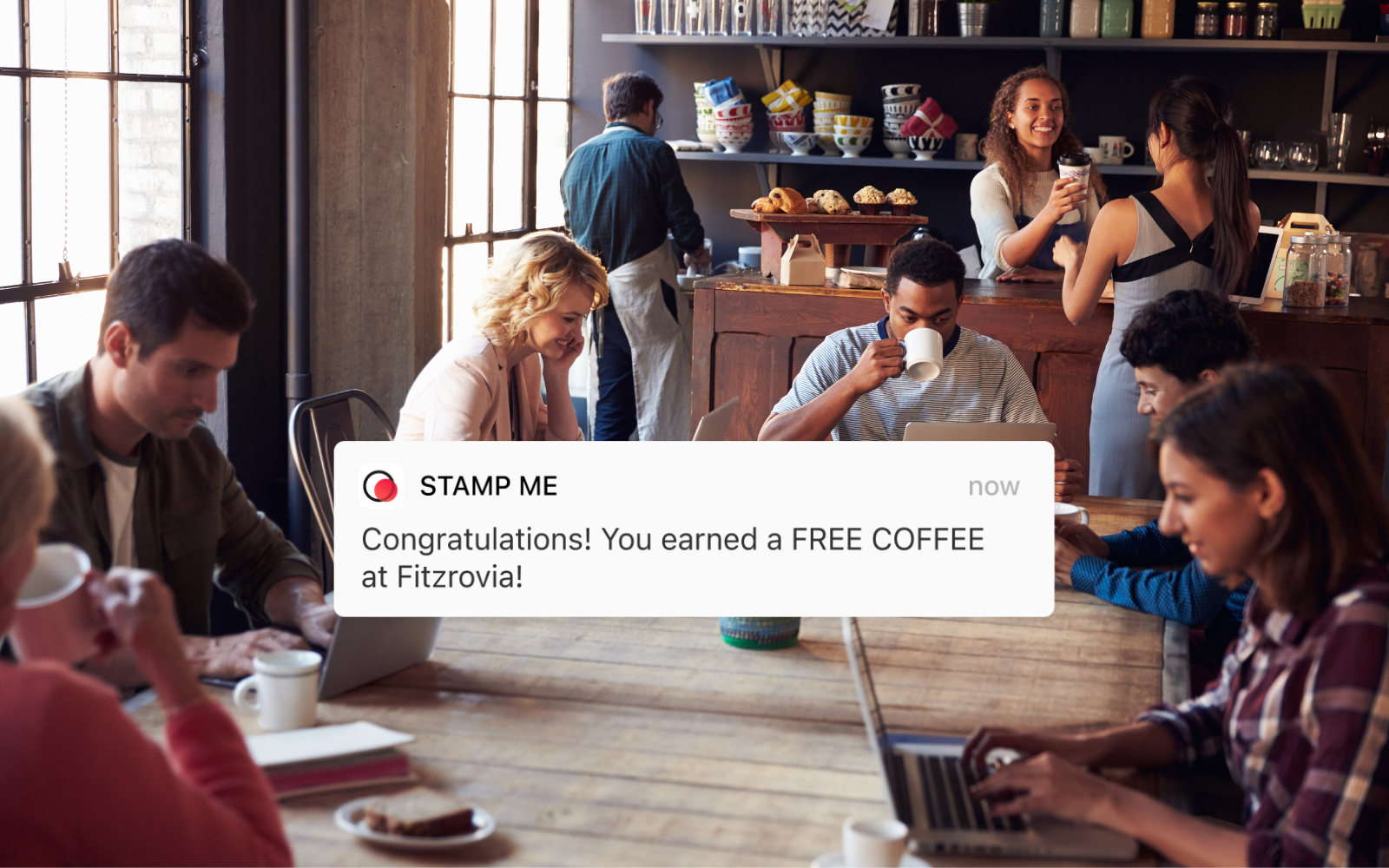
Automation just means your loyalty program keeps working in the background while you run the shop.
Examples include:
- A small birthday reward that goes out automatically
- A simple bonus stamp day to bring people in during slower periods
- A gentle “we miss you” notification if someone hasn’t visited in a while
- Location-specific promos without you having to manually push them every time
Automation ensures every customer gets a consistent experience without adding workload to your team, making sure customers still hear from you even when you’re busy.
Step 5: Train Staff Across All Locations
Your loyalty program is only as strong as its execution.
Staff play a critical role in:
- Reminds customers about the program
- Knows how to explain it in one or two sentences
- Can help customers sign up quickly at the counter
- Treats it as part of service, not an “extra task”
To scale successfully:
- Keep processes simple
- Use clear scripts or prompts
- Ensure all locations follow the same approach
Consistency at the staff level reinforces consistency at the customer level.

The Excitement… and the Quiet Pressure That Comes With It
Opening a second or third location is one of the most exciting milestones in growing a hospitality business. It’s a clear sign your restaurant loyalty program or cafe loyalty program is working — more customers, more staff, and proof that what you’ve built can scale.
But there’s usually another feeling that comes with it too.
The reality is, you can’t be everywhere at once.
You’re still the person making sure everything runs smoothly — just now across multiple locations. And when your multi-location loyalty program isn’t set up properly, it can start to feel like everything still depends on you being there in person.
This is where many owners feel the real challenge of how to scale a loyalty program across new locations. Not because growth is a problem, but because the systems behind it haven’t kept up.
The goal isn’t to step away from your business. It’s to build a digital loyalty program that supports customer retention across every site.
Done right, scaling your loyalty program doesn’t remove you from the details — it removes the pressure of having to be in every detail.

Build a Loyalty Program That Scales With You
If you’re at the point where you’re thinking about your next location, it’s worth making sure your loyalty system is ready to grow with you — before things start to feel harder than they need to.
You can explore how Stamp Me can help cafes and restaurants scale their loyalty program across multiple locations, and see what a simpler, more connected approach to customer loyalty could look like.

Enter a few details based on typical customer behaviour to estimate the revenue uplift and ROI a loyalty program could deliver.





.webp)