
Loyalty Programs for Small Businesses in Ireland: A Practical Guide

Keeping existing customers is cheaper, easier, and more profitable than finding new ones. A loyalty program is one of the most practical tools an Irish small business can use to make that happen.
TL;DR: This guide covers how to start a loyalty program in Ireland, which reward structures work best, what the law requires, and whether it's actually worth it for a small business.
Repeat customers spend more, refer more, and cost far less to keep than new ones cost to win. Whether you're running a cafe in Cork, a salon in Galway, or an independent retailer in Dublin, many small businesses still pour energy into acquisition and leave retention as an afterthought.
Almost half of Irish consumers say they actively plan to join loyalty programmes to get more value from the businesses they shop with — the demand is already there.
That's where a loyalty program changes things. Done right, it turns one-time visitors into regulars — and regulars into your most valuable customers. In this guide, you'll find everything you need to launch a loyalty program in Ireland: reward structures, platform options, legal requirements, and honest advice on whether it's worth the investment.
What Is a Loyalty Program?
A customer loyalty program is a marketing strategy that rewards customers for repeat purchases, visits, or referrals — encouraging them to return more often and build a long-term relationship with your business.
Think about why you keep going back to the same coffee shop or hairdresser. Chances are it's not just the product — it's how they make you feel like a regular rather than a transaction. That's exactly what a loyalty program is designed to do.
Every visit or purchase earns the customer something — and that something gives them a reason to choose you over a competitor next time. For the customer, it's recognition and value. For the business, it's retention and higher spend.
Rewards typically include free products, discounts, exclusive offers, birthday treats, or referral bonuses — but the format matters less than the feeling it creates. The best loyalty rewards programs don't feel like a marketing mechanic. They feel like being looked after.

Are Loyalty Programs Worth It for Small Businesses in Ireland?
For most small businesses in Ireland, yes — a well-run loyalty program delivers measurable returns through increased repeat visits, higher spend, and stronger customer retention over time.
It's a fair question though, and most Irish business owners hesitate for the same reasons: Will it cost too much? Will customers actually use it? Is it worth the effort at my size?
Here's what the evidence shows.
The cost of doing nothing is higher than you think
Acquiring a new customer costs five to seven times more than retaining an existing one. That figure mentioned earlier — a 5% improvement in retention can increase profits by 25% to 95% — isn't just a headline stat. For a small business, moving the needle on retention even modestly can have a real impact on the bottom line without increasing your marketing spend.
Loyalty members spend more
Customers enrolled in a loyalty program spend between 12% and 18% more than non-members over time and visit more frequently. When a customer is partway toward a reward, they're actively motivated to return — a psychological effect called the endowed progress effect. For a cafe in Dublin's city centre, that might mean a customer who previously visited twice a week now stopping in three times. For a takeaway in Limerick, it could mean becoming the default Friday-night choice.
It doesn't need to be expensive
The reward itself — a free coffee, a discounted treatment — is a cost you choose and control. Unlike paid advertising, rewards are only issued once a customer has already returned multiple times. The math tends to work in your favour.

How Do I Start a Loyalty Program for My Small Business in Ireland?
To start a loyalty program for your small business in Ireland, define your customer retention goals, choose a reward structure, select a loyalty platform, promote the program to customers, and regularly track performance to improve results.
Creating a successful small business loyalty program doesn't need to be complicated.
Step 1: Define Your Goals
Before launching a rewards program, determine what success looks like.
Your goals may include:
Increase Visit Frequency
Encourage customers to return more often.
Boost Average Spend
Offer rewards that motivate larger purchases.
Improve Customer Retention
Reduce customer churn and increase loyalty.
Generate Referrals
Reward customers who introduce friends and family.
Clear goals will help shape your loyalty strategy and measurement approach.
Step 2: Choose the Right Reward Structure
The reward structure is the engine of your loyalty program. Before picking one, ask yourself three questions:
How consistent is my customers' spending? If customers typically spend a similar amount each visit — a coffee, a haircut, a class — a stamp card is simple and effective. If spend varies significantly, a points-based model rewards bigger purchases more fairly.
How often do customers naturally return? High-frequency businesses benefit from structures that build momentum quickly. Lower-frequency businesses need a model that keeps customers engaged between visits, such as points that accumulate over time or membership perks that feel valuable year-round.
What reward will actually motivate your customers? A free product works well in hospitality. Exclusive access or early offers tend to land better with premium or membership-style businesses. The most effective reward is one your customers genuinely want — not just the easiest one to administer.
Step 3: Decide How Customers Will Participate
Irish businesses can choose from several participation methods.
Mobile Apps
Dedicated loyalty apps offer convenience and advanced marketing capabilities.
Digital Loyalty Cards
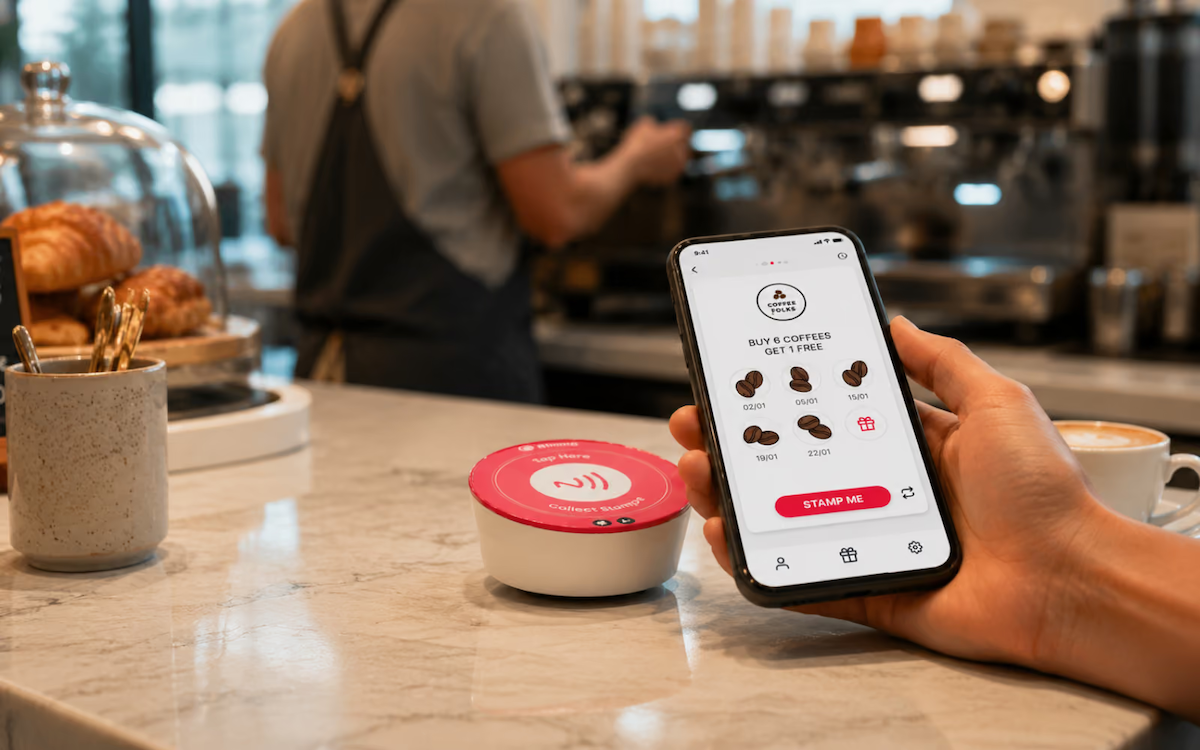
Customers collect rewards digitally without needing a separate physical card.
Traditional Loyalty Cards
Physical cards remain an option but often have lower engagement and tracking capabilities.
Digital loyalty cards are increasingly becoming the preferred choice for both businesses and customers in Ireland.
Step 4: Promote Your Program
Even the best loyalty program won't succeed if customers don't know it exists.
Promote your program through:
- In-store signage
- Staff recommendations
- Email marketing
- SMS campaigns
- Social media posts
- Website announcements
Make joining quick and simple.
Step 5: Measure and Improve Results
Track key metrics including:
- Customer retention rate
- Repeat purchase frequency
- Reward redemption rates
- Average customer spend
- Referral activity
Use these insights to refine and improve your program over time.

What Is the Best Loyalty or Rewards Program for Small Businesses in Ireland?
The best loyalty program for small businesses in Ireland depends on your industry, customer behaviour, and business goals, but digital stamp cards or a points-based reward system are among the most effective options.
Digital Stamp Card Programs
Best For:
- Cafes
- Restaurants
- Beauty salons
- Barbers
- Takeaway businesses
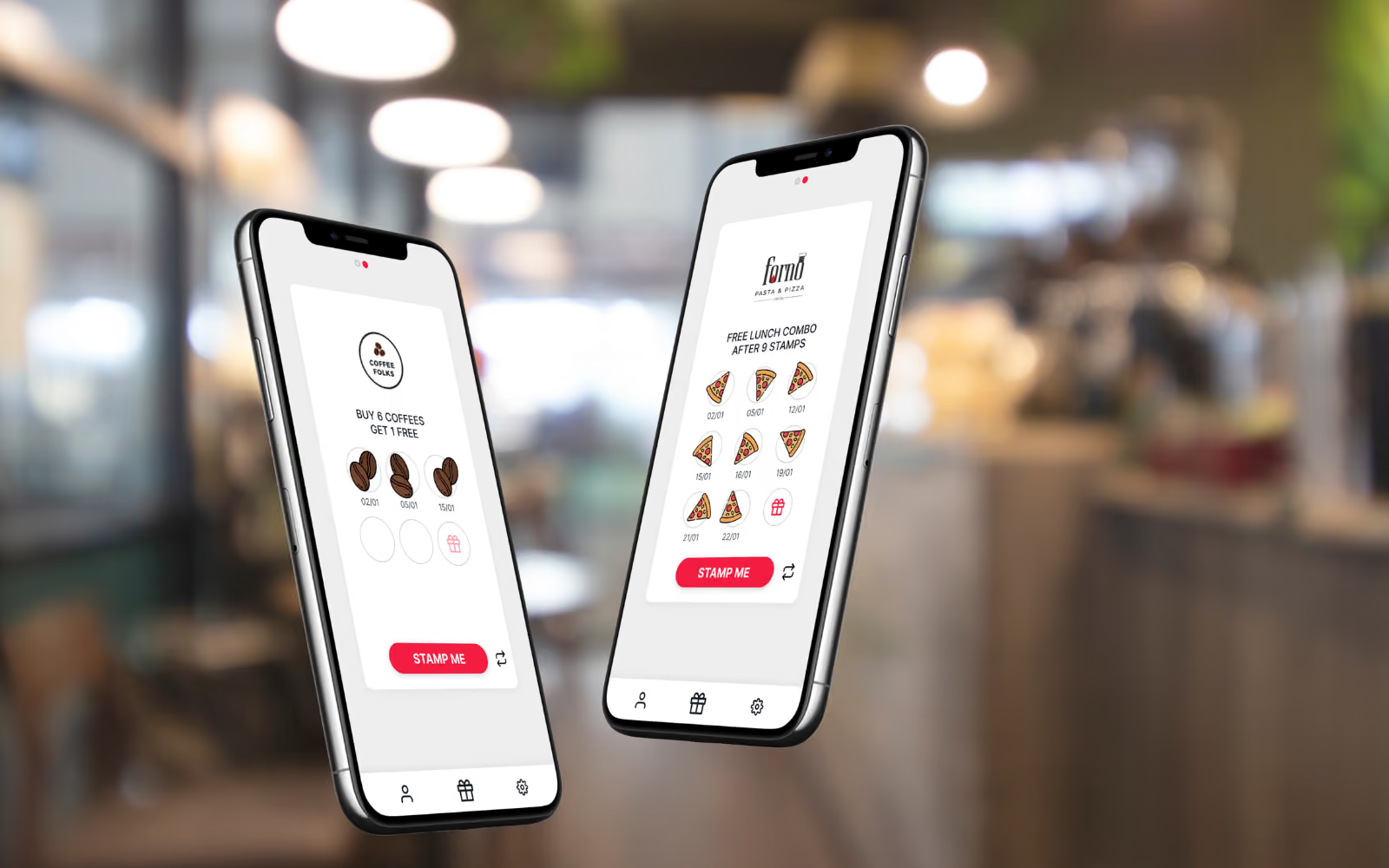
Digital stamp cards are easy for customers to understand and highly effective for driving repeat visits.
Points-Based Rewards Programs
Best For:
- Retail stores
- Fashion boutiques
- Gift shops
- Specialty retailers
Points programs work well when purchase values vary significantly.
VIP and Membership Programs
Best For:
- Fitness studios
- Subscription businesses
- Professional services
- Premium brands
Membership models help strengthen long-term customer relationships.
Choosing the Right Loyalty Platform
While the reward structure you choose is important, the platform you use to deliver it can have just as much impact on your program's success. The best loyalty platforms are easy for both customers and staff to use, require minimal administration, and provide clear insights into customer behaviour. When comparing options, look for features such as marketing automation, reporting and analytics, mobile accessibility, GDPR compliance, and integrations with your existing systems. It's also worth considering how quickly customers can join and participate. Whether you're running a cafe in Cork, a salon in Galway, or a retailer in Dublin, the simpler the customer experience, the higher the participation rate is likely to be.
Potential Challenges
Like any business initiative, loyalty programs require management. Most pitfalls are avoidable — but only if you know what to watch for.
Reward costs spiralling: Rewards only trigger after a customer has already returned multiple times, so the math usually works in your favour. The risk comes from setting redemption thresholds too low or offering rewards your margins can't support. Model the cost per redemption against average customer value before you launch.
Administrative burden: A program that creates extra work for staff will quietly fall apart. Digital platforms eliminate most of this — tracking is automated and customers manage their own accounts.
Low participation rates: Almost always caused by one of two things: customers don't know the program exists, or joining feels like too much effort. Promote it consistently and make sign-up frictionless.
Poor program design A reward that feels out of reach won't change behaviour. If customers need fifteen visits to earn anything, most will disengage before they get there. Keep it simple, achievable, and worth earning.
What Are the Legal Requirements for Loyalty Programs in Ireland?
Loyalty programs in Ireland must comply with GDPR, consumer protection regulations, and transparent terms and conditions governing how rewards are earned, redeemed, and managed.
GDPR and Customer Data Collection
If your loyalty program collects customer information — even something as simple as an email address — you're operating under GDPR. This isn't something to treat as an afterthought. Most reputable digital loyalty platforms build compliance into their setup, but the legal responsibility sits with you as the business owner.
Consent When customers join your program, they need to understand what data you're collecting and why. Consent must be freely given, clearly explained, and easy to withdraw. Burying this in small print isn't enough — transparency is both a legal requirement and good practice.
Data Storage Customer data must be stored securely and only for as long as it's needed. If you're using a third-party loyalty platform, check that they are also GDPR compliant and that data is held within the EU or under adequate protections.
Marketing Permissions Joining a loyalty program and consenting to marketing communications are two separate things. If you want to send customers emails or SMS messages about promotions, you need explicit opt-in consent for that specifically. Assuming one covers the other is a common mistake and a compliance risk.
Terms and Conditions Every loyalty program should have clear, accessible terms covering how rewards are earned, how they're redeemed, whether they expire, and what happens if the program changes. This protects both the customer and the business — and reduces the likelihood of disputes down the line.
Consumer Protection Under Irish consumer protection law, any rewards or promotional offers must be accurately represented. If a customer earns a reward, they should be able to redeem it without hidden conditions. Keep the rules simple and honest, and you're unlikely to run into issues.
How Can Irish Businesses Increase Repeat Customers?
Irish businesses can increase repeat customers by creating positive customer experiences, building habits through rewards, and staying relevant between purchases through personalised communication. Research consistently shows that retaining existing customers is more cost-effective than acquiring new ones, making customer retention a key driver of long-term business growth.
Customer behaviour is often influenced by psychology. When customers receive a reward, feel recognised, or have a consistently positive experience, they are more likely to return. Loyalty programs work because they create a sense of progress and give customers a reason to choose one business over another.
Some of the most effective customer retention strategies Ireland businesses can use include:
- Rewarding repeat purchases through a loyalty or rewards program
- Delivering consistently excellent customer service
- Personalising offers and promotions
- Recognising customer milestones such as birthdays
- Encouraging referrals from existing customers
- Staying connected through email, SMS, or social media
While no single strategy guarantees loyalty, businesses that consistently reward customers and deliver great experiences are more likely to increase repeat visits, strengthen customer relationships, and improve customer lifetime value.

Your Best Customers Are Already Walking Through the Door
Now is the right time to move beyond the paper stamp card. Retention is cheaper and more profitable than acquisition, and a simple, well-run loyalty program is one of the most cost-effective tools an Irish small business has. Start small, keep it easy to join, promote it consistently, and track what's working.
Your most valuable customers are already walking through your door — a loyalty program makes sure they keep coming back.
If you're looking for a simple way to get started, Stamp Me makes it easy for Irish small businesses to launch a digital loyalty program without the complexity. No paper cards, no admin headaches — just a straightforward way to reward your regulars.

Enter a few details based on typical customer behaviour to estimate the revenue uplift and ROI a loyalty program could deliver.





.webp)