
Opening a Restaurant: The Ultimate Launch Checklist

Get your licensing, reservations, and staffing locked in before opening week — then use that first week to enroll guests in a loyalty program while their interest is highest, or you'll pay for opening-week marketing twice.
TL;DR
- Licensing: Get your business license, food permit, liquor license, health certificate, and sign permit sorted early — start the liquor license during lease negotiations, not after.
- Reservations: Go live 2–3 weeks before opening, not on day one, and start capturing guest details at the point of booking.
- Staffing: Hire BOH early for consistency, FOH closer to open for service training, and use a soft open to test both together.
- Loyalty: Enroll guests in a loyalty program during opening week — while intent is highest — not once things settle down.
Opening week is the highest foot traffic your restaurant will ever see organically. Curiosity, local press, and that “new place on the block” buzz all bring people in. The problem? None of that traffic is loyal yet, and the majority of those customers won't come back on their own.
That's the real gap in most restaurant launch checklists — they stop at the doors opening, when the real work is turning that one-time curiosity into a customer base that keeps coming back. This restaurant launch checklist covers all four phases you need to get right: licensing, reservations, staffing, and loyalty capture. Get those four in order and opening day stops being a leap of faith.
What Licenses and Permits Do I Need to Open a Restaurant?
Most restaurants need a business license, food service permit, liquor license (if serving alcohol), health inspection/certificate of occupancy, and a sign permit. Requirements vary by state and municipality, so confirm with your local health department early — liquor licenses especially can take weeks to months to clear.
Before menus, before staff, before anything — you need to be legally allowed to operate. This is the part of any pre-opening checklist for restaurants that people underestimate, mostly because the timelines can be much longer than they expect.
The core five
Most restaurants need to sort through some version of these:
- Business license — your basic authorization to operate in your city or county
- Food service permit — issued after a health department review of your kitchen setup
- Liquor license (if you're serving alcohol) — often the slowest-moving piece of paper in the entire process
- Health inspection / certificate of occupancy — confirms your space is safe and up to code
- Sign permit — yes, even your exterior signage usually needs sign-off from local government
Why restaurant licensing takes longer than cafe licensing
A coffee shop can often be up and running with a fairly light permitting load. A full-service restaurant — especially one pouring alcohol — is a different animal. Liquor licenses in particular can take anywhere from a few weeks to several months to clear, depending on your state and municipality, and that's before you factor in any local moratoriums or zoning restrictions on new liquor licenses in your area.
Requirements vary, so the most reliable move is to check directly with your local health department and licensing authority early — not after you've already signed a lease.
Common mistake: Restaurant owners often start the liquor license application after signing their lease, treating it as a "next step." Start it during lease negotiations instead. If the license takes 90 days and your lease starts the clock on rent, that gap comes straight out of your runway before you've served a single plate.
How Do I Set Up a Reservation System for a New Restaurant?
Get your reservation system live 2–3 weeks before opening, not on day one. Choose a reservation platform over walk-in-only so you can plan table turnover, and use the booking step to start capturing guest contact details for loyalty later.
Here's a mistake that's easy to make: waiting until opening day to turn on your reservation system. By then, it's too late — the people most likely to book a table at a brand-new restaurant are the ones searching for it two or three weeks before it opens.
Get it live early, not on day one
Your reservation platform should be live as soon as you have a confirmed opening date, even if some details are still being finalized. This does two things: it lets early bookings build up before you've served a single table, and it gives you real data on demand before opening night arrives.
Reservation platform vs. walk-in-only
For a brand-new restaurant, walk-in-only might feel simpler, but it makes your opening week harder to plan around. A reservation system gives you visibility into covers per night, which directly informs your table turnover math — how many seatings you can realistically run per service without your kitchen or floor staff drowning. New restaurants tend to underestimate turnover time in the first few weeks simply because staff haven't found their rhythm yet, so having reservation data to plan against matters more here than it will six months in.
Capture guest data at the point of booking
Every reservation is also your first shot at capturing a guest's contact details — before they've even walked through the door. This matters more than it sounds like it should. It's the earliest possible touchpoint for building a loyalty list, which becomes critical later once opening week ends and you need a way to bring those same guests back (more on that below).
How Far in Advance Should I Hire FOH and BOH Staff Before Opening?
Hire back-of-house (BOH) staff earlier so they have time to nail recipe and menu consistency. Bring front-of-house (FOH) staff on closer to opening, since their training is more service-style specific. Run a soft open a couple weeks before launch to test both teams together.
Front-of-house and back-of-house hiring don't run on the same clock, and treating them like they do is one of the more common staffing mistakes in restaurant openings.
BOH earlier, FOH closer to open
Your back-of-house team needs to be locked in earlier. They're the ones who need time to nail recipe consistency, get comfortable with kitchen flow, and run through the menu enough times that plates come out the same way at 9pm on a Saturday as they did during testing. Front-of-house hiring can happen a bit closer to opening, since a large part of their training is service-style specific — how this restaurant wants guests greeted, how this menu gets explained, how this floor is laid out.
Staffing ratios for a new restaurant
There's no universal formula here — it depends heavily on your covers, your menu complexity, and your service style — but a common industry benchmark for full-service restaurants is roughly one server per 4–5 tables during peak hours. New restaurants are generally better off staffing toward the higher end of that range for the first few weeks rather than running lean, since service is slower and less predictable while your team finds its rhythm. Every hire is a fixed cost against opening-week revenue that's mostly one-time — which is exactly why it's worth getting your loyalty program economics sorted early, so that opening-week spend isn't the only return you're counting on
Soft open: your real staff test
A soft open — a friends-and-family service before your official opening — is the single best way to test your FOH and BOH teams together under close-to-real conditions. Watch for the same things you'd watch for on a busy Friday night: how the kitchen handles ticket backlogs, how servers manage multiple tables, how quickly problems get communicated between the two teams. Fix what breaks now, while the stakes are low.
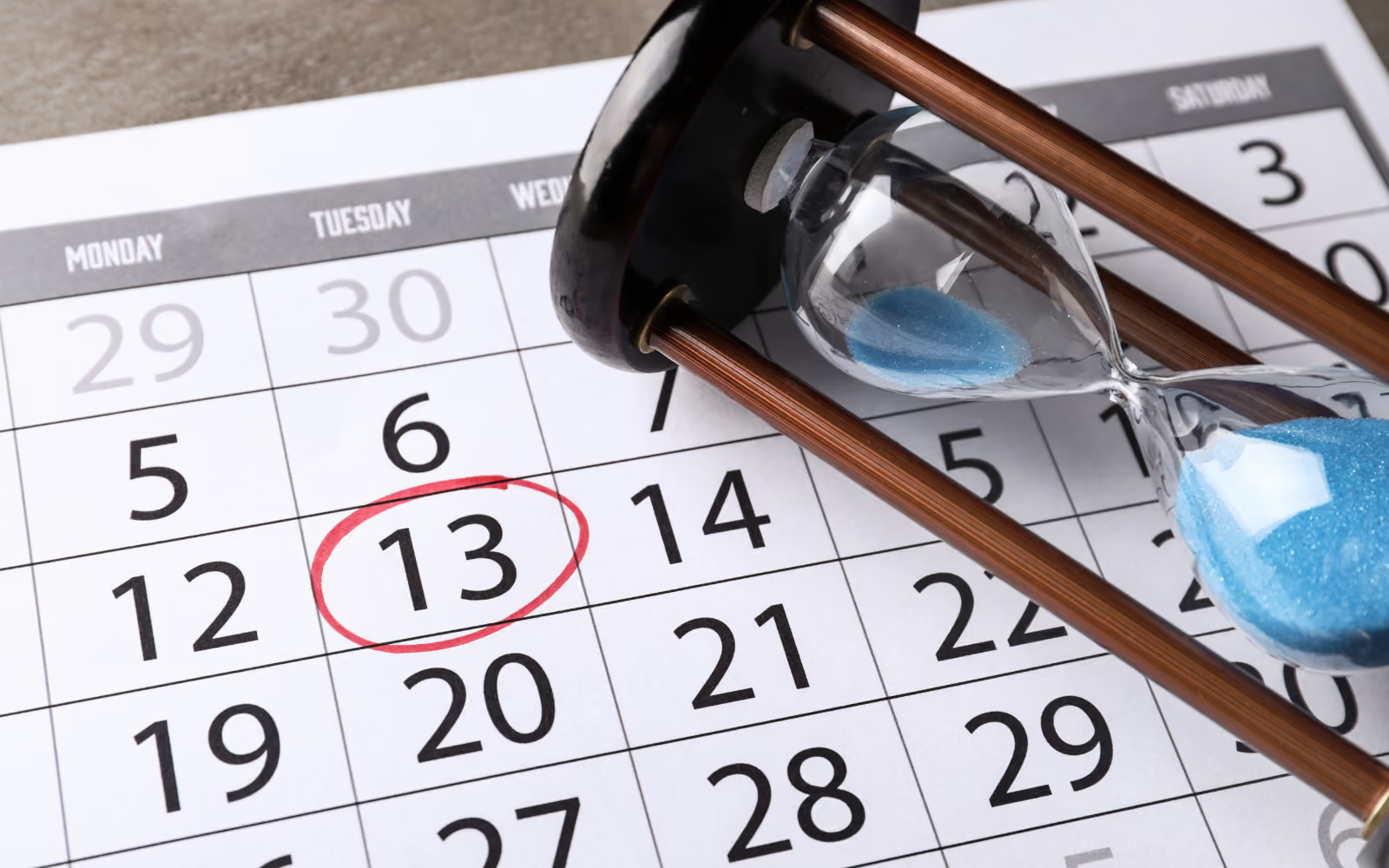
What Should a Restaurant Do in the Weeks Before Opening Day?
Here's how the final stretch should generally break down, timeline-wise:
T-minus 30 days
Finalize your menu completely — no more tweaks after this point. Confirm every vendor and supplier relationship in writing. Test your POS and reservation system integration end-to-end, not just individually.
T-minus 14 days
Run your soft open. This is your staff trial service, and it's also your last real chance to catch operational gaps before paying customers walk in.
T-minus 7 days
Push your marketing hard. Reach out to local press and food-focused local influencers. Get your final health inspection scheduled and passed.
Opening day
If everything above has been handled, opening day itself should be light on last-minute chaos. Do a final walkthrough, brief the team, and focus your energy on actually running service — not fixing a system that should've been tested two weeks ago.
How Do I Get Repeat Customers After My Restaurant's Opening Week?
Enroll guests in a loyalty program during opening week itself, while intent and excitement are highest — don't wait until things "settle down." Use a low-friction, digital sign-up guests can join from their phone at the table or register.
This is the part of the checklist most restaurant owners skip — and it's the one that determines whether opening week actually means anything six months from now.
Opening week traffic lies to you
Opening week numbers feel great, but they're a poor predictor of long-term traffic. Curiosity visits, local press coverage, and one-time opening promotions all inflate that first week's covers. Once the buzz fades, the real question is: how many of those guests actually come back?
The capture window is now, not "later"
The instinct is to wait until the dust settles before setting up a loyalty program. That's backwards. Opening week is when guest intent is highest — people are excited, they're telling friends, they want to be part of the "I was there when it opened" story. That's exactly the moment to enroll them in a loyalty program, while the goodwill is fresh, not three months later when they've already formed habits elsewhere.
Low-friction capture at the table
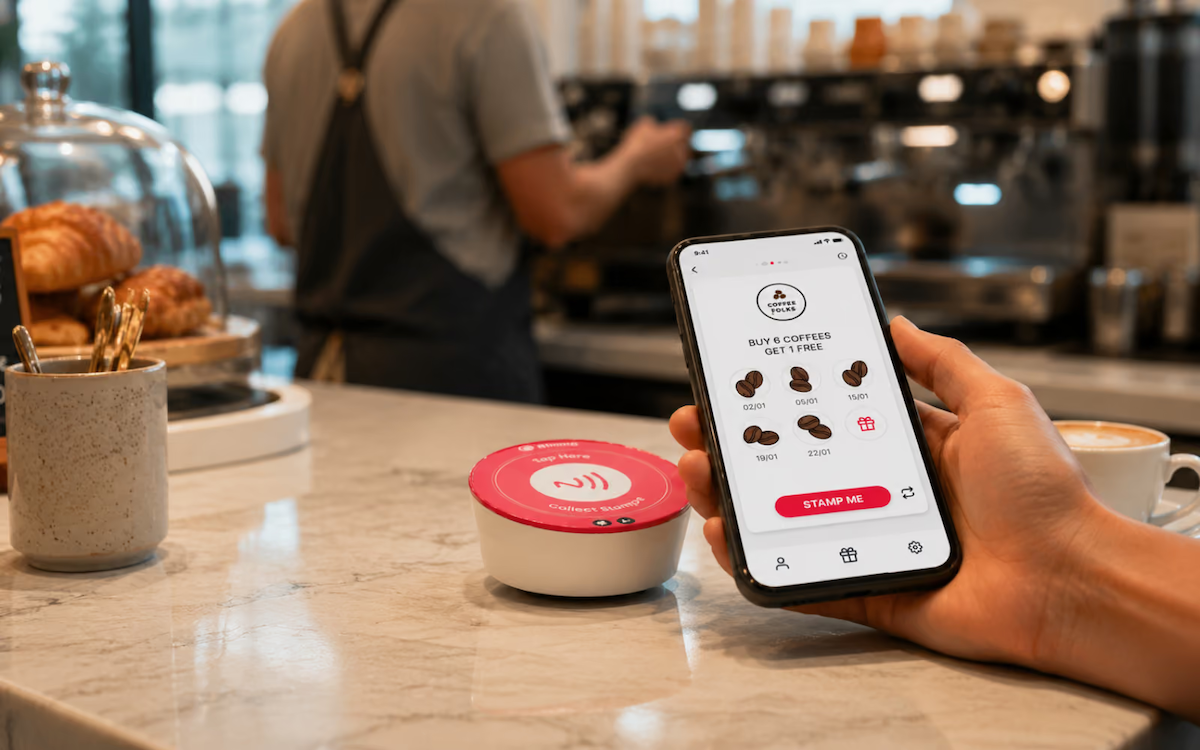
Opening week is chaotic enough without asking servers to run a complicated sign-up process. A digital loyalty platform, like Stamp Me, captures that guests can join from their phone at the table or register — no punch card to lose, no app download required to start — fits into that chaos rather than fighting it. The mechanism matters more than the promise: if signing up takes 30 seconds during a busy Friday rush, it happens. If it takes five minutes, it doesn't.
Getting this right early also sets up how you structure a restaurant loyalty program that fits infrequent, high-spend visits — restaurants behave differently from cafes here, since guests visit less often but spend more per visit each time.

Restaurant Launch Checklist Summary
Licensing
- Business license, food service permit, liquor license, health certificate, sign permit
- Start liquor license applications during lease negotiation, not after signing
- Confirm requirements with your local health department
Reservations
- Go live 2–3 weeks before opening
- Choose a reservation platform over walk-in-only to manage table turnover
- Capture guest contact details at the point of booking
Staffing
- Hire BOH earlier for recipe and menu consistency
- Hire FOH closer to opening for service-style training
- Run a soft open to test both teams together
Loyalty
- Don't wait for things to "settle down" — enroll guests during opening week
- Use a low-friction, digital sign-up at the table or register
- Treat opening week as your loyalty capture window, not just a revenue milestone
Opening week buzz doesn't last — but the guests you capture during it can. Start turning opening-week excitement into a loyalty list before the buzz fades. See how Stamp Me makes table-side loyalty capture simple →

Enter a few details based on typical customer behaviour to estimate the revenue uplift and ROI a loyalty program could deliver.




.webp)