
What are "Minorstones" — and Why Small Businesses Should Be Using Them to Build Customer Loyalty

TL;DR
- A minorstone is a small customer behaviour that signals growing loyalty (like a repeat visit, referral, review, or trying something new).
- Unlike traditional milestones (birthdays, anniversaries), minorstones happen often and create more opportunities for meaningful recognition.
- Research shows customers respond better to immediate, personalised acknowledgement than delayed rewards or generic points systems.
- Small businesses actually have an advantage because they already know their customers personally.
- The best small business loyalty programs in 2026 focus on emotional connection, consistency, and behaviour-based recognition throughout the customer journey.
- Tools like digital loyalty apps simply help automate the tracking so important moments don’t get missed.
Most small businesses wait too long to recognise loyal customers. “Minorstones” — small behavioural moments like a 5th visit, first referral, or repeat booking — create more opportunities to make customers feel valued in real time. In 2026, the most effective customer loyalty strategies aren’t built around big annual milestones alone, but around frequent, timely recognition that strengthens emotional connection and keeps customers coming back.
Picture this: a customer walks into your cafe for the tenth time. They order their usual, smile at the person behind the counter, and leave — just like the nine times before. No one says anything different. Nothing marks the moment.
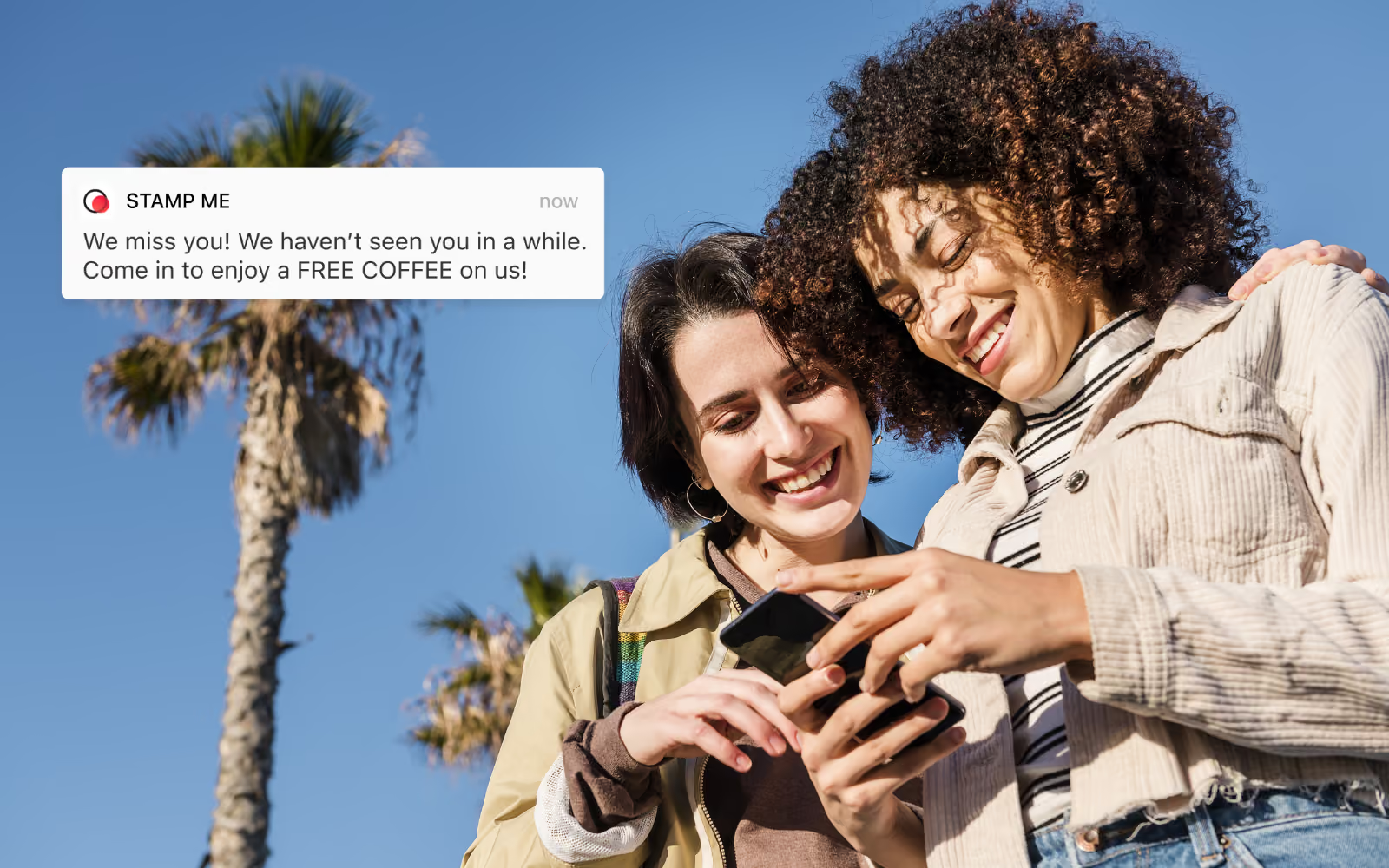
Meanwhile, a national coffee chain sends that same customer a personalised push notification: "Thank you for your 5th visit — enjoy a free drink on us." It took their app half a second to detect it.
Here's the uncomfortable truth: that moment of recognition didn't require a massive tech budget. It required knowing what to look for.
For any small business owner thinking about how to make customers feel valued, the gap is rarely about money — it's about knowing which moments are worth acknowledging. And that starts with understanding a concept gaining serious traction in loyalty circles for 2026: minorstones.
What Is a Minorstone in a Loyalty Program?
A minorstone is a small, specific behavioural moment that signals growing customer commitment — and is worth acknowledging.
Think of it as the counterpart to a milestone. Milestones are the big, infrequent moments: a birthday, a one-year anniversary as a customer, a 100th purchase. They're worth celebrating, but they only happen once or twice a year — if that.
Minorstones happen all the time. They're the quieter signals that a customer is moving from occasional visitor to loyal regular. Examples include:
- A customer's 5th visit to your cafe
- The first time a customer tries a new product or service you offer
- A customer's third referral sent to a friend
- The first online review or social media tag
- Six months since joining your mailing list
- The second consecutive booking from a service client
The reason minorstones work comes down to timing. Recognition delivered close to the behaviour that triggered it creates a much stronger emotional imprint than a delayed reward. When someone does something that signals loyalty — and you acknowledge it immediately — that moment sticks.
Kobie's 2026 Loyalty Trends Report identifies minorstones as one of the defining loyalty shifts of the year, noting a growing industry move away from infrequent milestone rewards toward frequent and behaviour-based recognition.
What's the Difference Between Milestones and Minorstones?
The simplest way to think about it: milestones are calendar-driven, minorstones are behaviour-driven.
A milestone says "it's been a year" or "it's your birthday." A minorstone says "you just did something that shows you're becoming a regular — and we noticed."
That distinction matters enormously for customer retention for small business. Milestones give you one or two moments per year to make an impression. A well-designed minorstone strategy gives you dozens — spread naturally across the customer journey, each one reinforcing the relationship at exactly the right moment.
The other key difference is personalisation. Milestones are the same for everyone (everyone has a birthday). Minorstones are specific to how each customer behaves — which makes them feel far more like genuine recognition, and far less like a marketing template.
Why Small Businesses Actually Have the Advantage Here
Large brands are investing millions to engineer personalisation at scale. They need AI, CRM platforms, and app infrastructure just to approximate something a small business owner can do instinctively.
You already know your customers. You notice when someone brings a friend for the first time. You remember that a client mentioned they'd never tried the new treatment. You see when someone finally leaves their first Google review.
That's the heart of any smart customer recognition strategy for small business — and you're already halfway there. You just need a system to make sure those moments don't slip past unacknowledged.
That kind of personal recognition, coming from a real person rather than an automated platform, carries far more emotional weight. A loyalty notification from an app is appreciated. A genuine acknowledgement from the owner of a business you love is memorable.
And the best part? You don't need complex point-of-sale integrations to make it happen. A digital loyalty platform can handle the tracking without disrupting your existing setup, meaning the recognition happens at the right moment, automatically, while still feeling personal.

The Problem With Only Waiting for "Big" Moments
Most small businesses default to the same handful of recognition strategies: birthday emails, anniversary discounts, or — most commonly — nothing at all.
The problem isn't intent. It's frequency.
If you're relying on birthdays and annual milestones as your entire small business loyalty program, you're getting one or two recognition touchpoints per customer per year. Everything in between is silence. And silence doesn't build relationships — it just allows them to go quiet.
Recent research highlights this gap clearly. 69% of millennials and modern consumers prefer immediate, tailored recognition over accumulating points toward a distant reward. The shift is away from transactional loyalty (what do I earn?) toward relational loyalty (do I feel seen?).
Think of it this way: a friendship where someone only calls on your birthday isn't much of a friendship. Loyalty programs that only activate on annual milestones work the same way. If nothing remarkable happens between January and December, the relationship has no reinforcement — and customers who feel unremarkable don't stay loyal for long.
How Do I Make Customers Feel Recognised Without a Formal Loyalty Program?
This is one of the most common questions small business owners ask — and the honest answer is: you don't always need one.
Recognition doesn't require a points platform or a dedicated app. Some of the most effective small business customer loyalty ideas cost nothing at all. The key is building awareness of the moments that matter, and having a simple habit or system for acknowledging them.
That said, even a lightweight digital loyalty tool removes the burden of tracking from your team — so the recognition happens consistently, not just when someone happens to remember.
How to Identify Minorstones in Your Own Business
Step 1: Map your customer journey. What does the path from first-time visitor to loyal regular actually look like in your business? Write it out: first visit → second visit → first referral → regular booking → etc.
Step 2: Spot the micro-commits. Where does a customer take a small step that signals growing trust or habit? The second purchase means they came back. The first referral means they're advocating for you. The first review means they're invested enough to write something.
Step 3: Pick 3–5 that matter most. You don't need a comprehensive system. Pick the moments that feel genuinely significant — the ones where you'd think: "That's a good sign."
Step 4: Decide how you'll acknowledge them. Recognition alone has value. A digital loyalty app can automate the trigger so nothing slips through unnoticed, even on your busiest days.

What Are Easy Ways to Reward Customers That Don't Cost a Lot?
Great news: the most effective recognition often costs nothing. When it comes to how to make customers feel valued in a small business, timing and authenticity matter far more than the size of the gesture.
Here's a breakdown by effort and cost:
Zero cost: A verbal acknowledgement ("Is this your fifth visit? We really appreciate you"), remembering a personal detail and mentioning it, a genuine thank-you that goes slightly beyond the standard script.
Low cost: A handwritten note in an order, a small surprise add-on (an extra sample, a complimentary item), early access to something new before it's announced publicly.
Medium cost: A buy-X-get-Y reward triggered at a specific minorstone threshold, a discount applied at the right behavioural moment rather than just on a calendar date.
The research is consistent: timing beats size. A small acknowledgement delivered immediately after a loyalty behaviour is more powerful than a generous reward that arrives weeks later with no clear connection to what the customer did.
Real-World Minorstone Ideas by Business Type
Practical small business customer loyalty ideas look different depending on your industry. Here are some of the most effective minorstone triggers by business type:
Cafe / Hospitality
- 5th visit or 10th coffee
- First time ordering something new from the menu
- First time bringing a friend who becomes a customer
Retail Boutique
- First repeat purchase (they came back)
- First time buying from a new product category
- First online order after previously shopping in-store
Beauty, Hair & Wellness Services
- Third appointment booked
- First referral that actually books in
- First time booking online after always calling
Fitness & Wellness Studios
- 10th class attended
- First time trying a new class format
- Three-month membership milestone

What Loyalty Strategies Work for Small Businesses in Australia?
Customer loyalty for small businesses in Australia comes down to one thing: making people feel seen. Whether you run a cafe, boutique, or trades business, customers already expect a more human experience from local businesses — the challenge is delivering that consistently.
The most effective loyalty strategies in 2026 are simple to manage, feel personal, and create moments of genuine recognition throughout the year, not just at birthdays or milestones. This reflects a broader shift identified in Kobie's 2026 report: loyalty is moving from points and tiers toward return on emotion — and small businesses are uniquely positioned to lead that shift.
Customers who feel recognised visit more often, spend more, and refer friends not because they've calculated a points balance, but because of how the relationship feels.
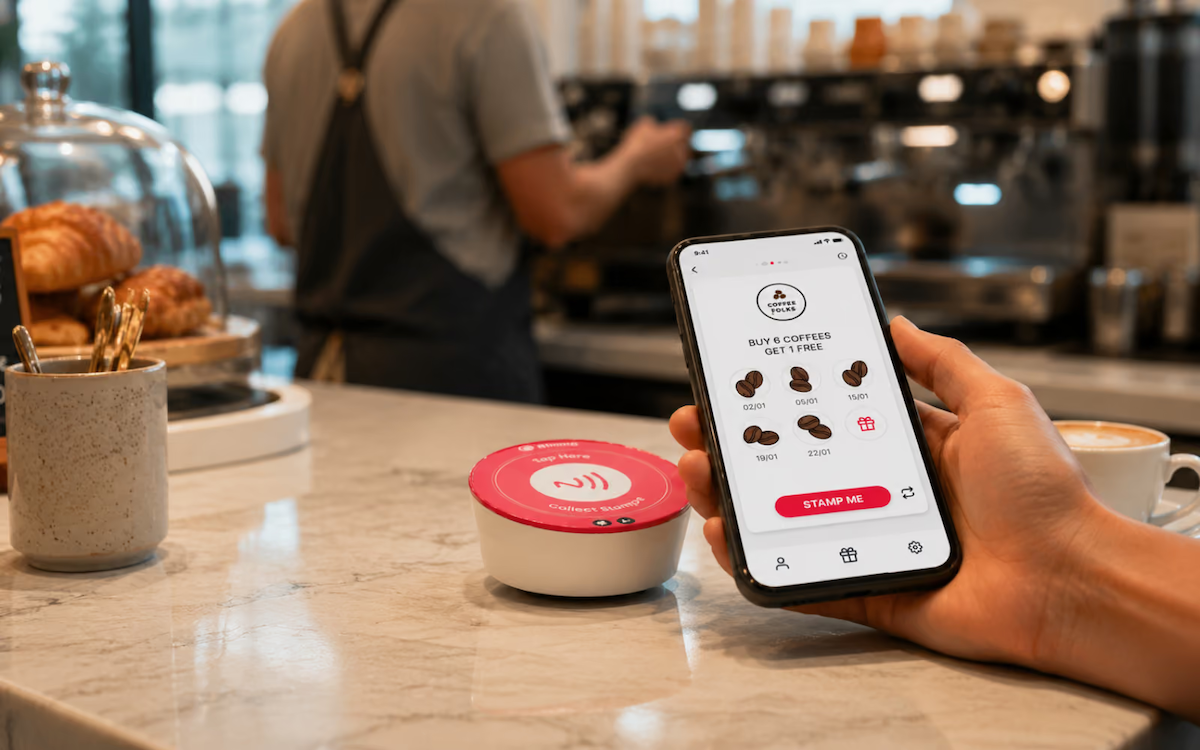
Tools like a digital loyalty stamp card make this practical — tracking behaviour in the background and prompting the right moments without complicated integrations or added mental load, so recognition happens while you focus on running the business.
Ready to start tracking minorstones? Stamp Me makes it easy for small businesses to recognise customers at the right moment — no complicated setup required. See how it works.

Enter a few details based on typical customer behaviour to estimate the revenue uplift and ROI a loyalty program could deliver.





.webp)