
10 Reasons Customers Stop Using Your Loyalty Program (And How to Fix It)

Loyalty programs don't fail because customers dislike rewards—they fail when they're difficult to use, slow to deliver value, or poorly promoted. By removing friction, making rewards achievable, and consistently engaging members, small businesses can significantly improve participation and customer retention.
TL;DR
- Loyalty programs often fail due to poor design, not lack of customer interest.
- Common issues include hard-to-earn rewards, unclear value, low promotion, and complicated processes.
- Digital loyalty programs can make participation easier and more convenient.
- The most successful loyalty programs are simple, rewarding, and consistently promoted.
Many small business owners launch a loyalty program with high hopes — more repeat visits, stronger customer relationships, and a reliable boost to revenue. But over time, something shifts. Fewer customers mention the program at the counter. Rewards go unclaimed. That stack of loyalty cards collects dust near the register.
In this guide, we'll walk through the 10 most common reasons customers stop using loyalty programs — and exactly what cafes, salons, retailers, and other small businesses can do to fix them.
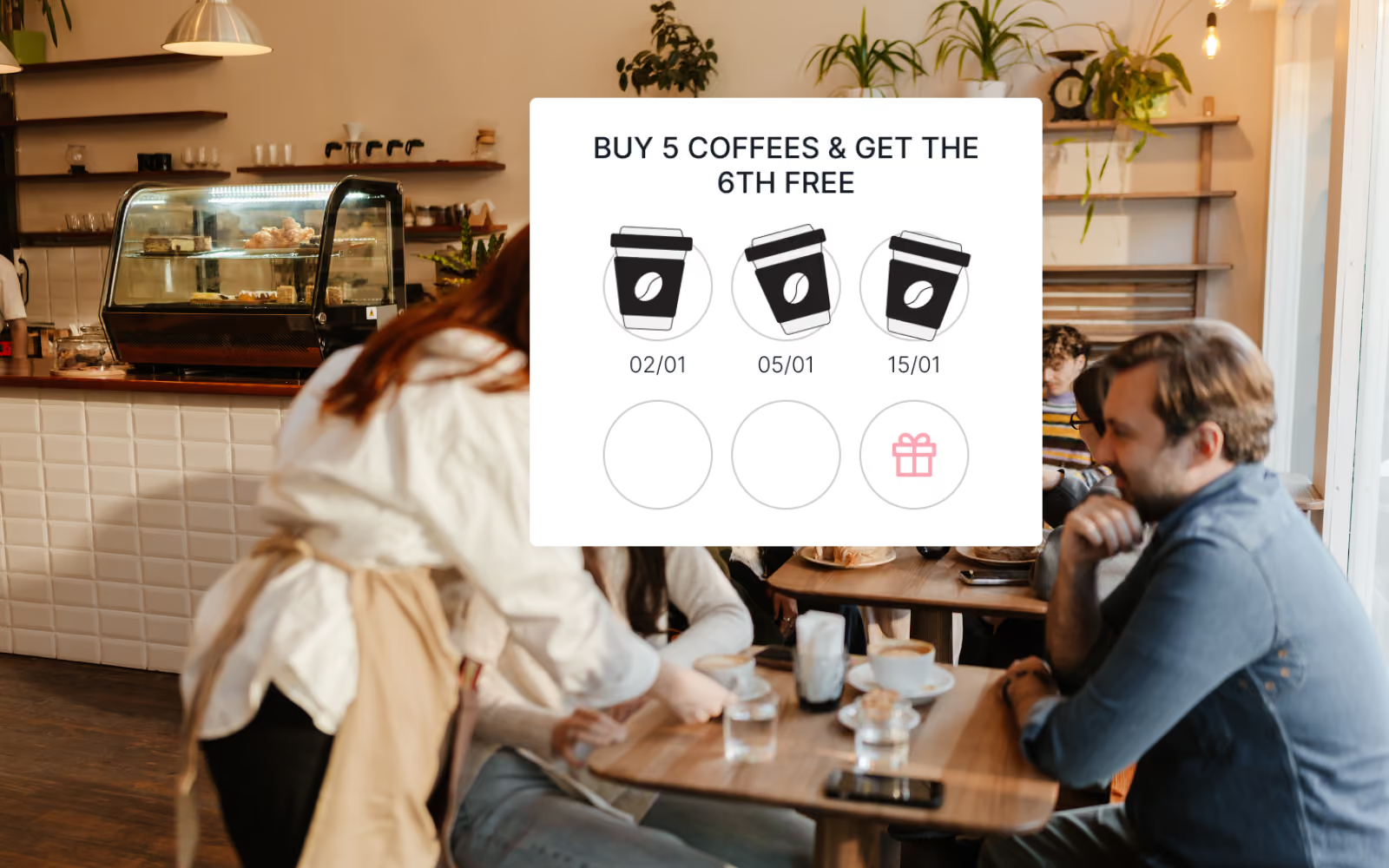
Why Do Customers Stop Using Loyalty Programs?
If participation has dropped or never really took off, you're not alone — and the program itself probably isn't the problem. Loyalty programs don't fail because customers dislike rewards. They fail when they're difficult to use, slow to deliver value, or poorly promoted.
Understanding these friction points is the first step toward improving loyalty program engagement and driving more repeat visits through your door.
1. Rewards Take Too Long to Earn
The most common loyalty program killer is a reward threshold that feels completely out of reach. When a customer visits your business regularly but still feels miles away from earning anything meaningful, motivation disappears fast.
How to fix it: Lower your reward thresholds and build in early wins. A customer who earns a small reward after their third visit is far more likely to come back for a fourth than one who needs to visit fifteen times before seeing any benefit. Think of the first reward as the hook — make it achievable, and the habit forms naturally.
Best practice by industry:
- Cafes: Reward every 5–10 visits
- Salons: Offer a reward every 3–4 appointments
- Retail: Set regular spending milestones, not just high annual totals
2. Customers Don't Understand the Program
If a customer has to ask three questions before they understand how your program works, it's already too complicated. Complex point systems, tiered rules, and vague reward structures are some of the biggest reasons loyalty programs fail to gain traction in-store.
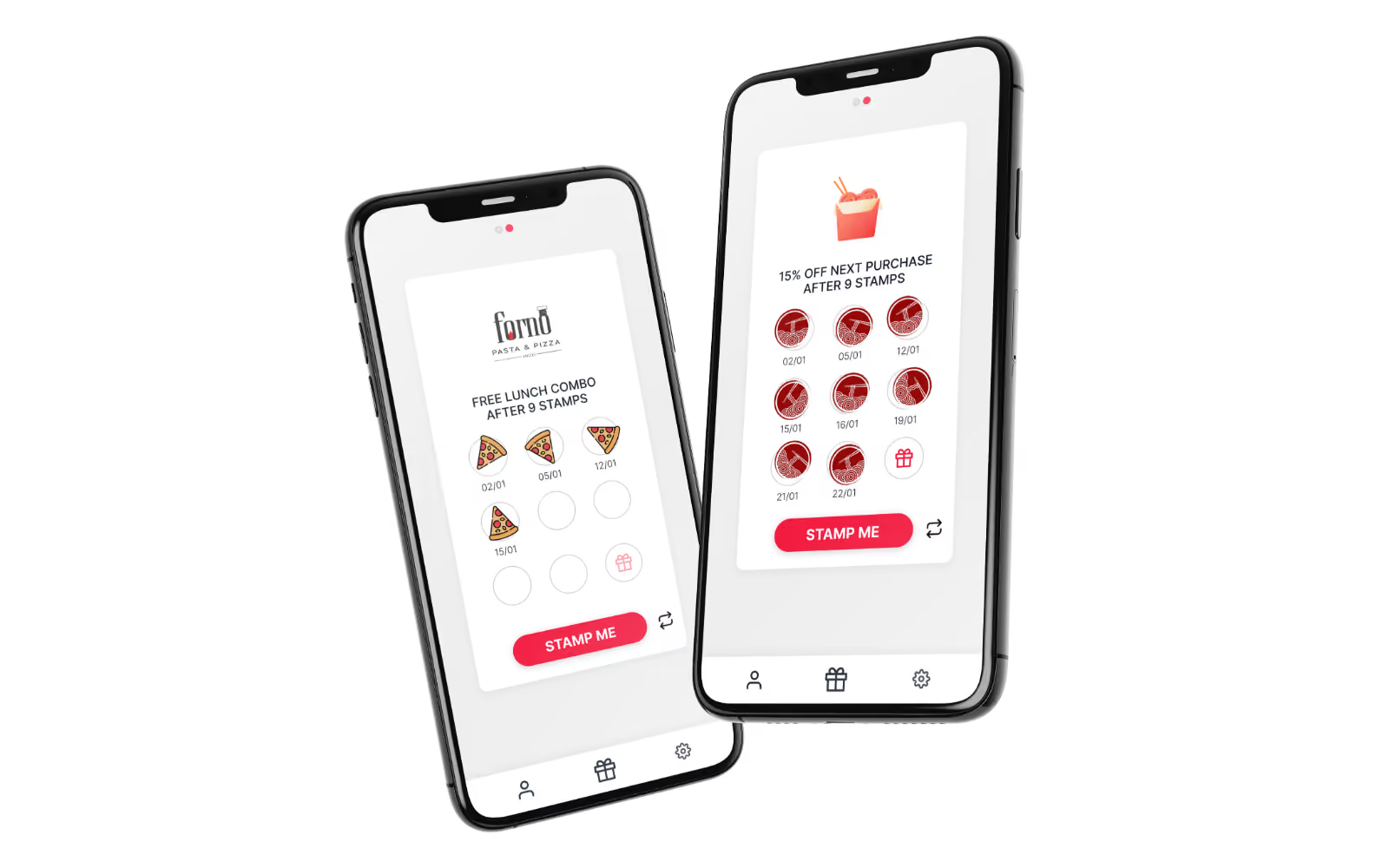
How to fix it: Strip the program back to something a customer can understand in one sentence. "Buy X, Get Y" is perfect. Train your floor staff and front-of-house team to explain the program consistently and confidently, and display clear signage near the register so customers never have to ask.
3. The Signup Process Is Too Difficult
Customers make snap decisions at the point of sale, especially during busy retail periods when foot traffic is high and patience is low. Reduce the number of steps to join. The easier it is to get started, the more members you'll add without any extra effort from your team.
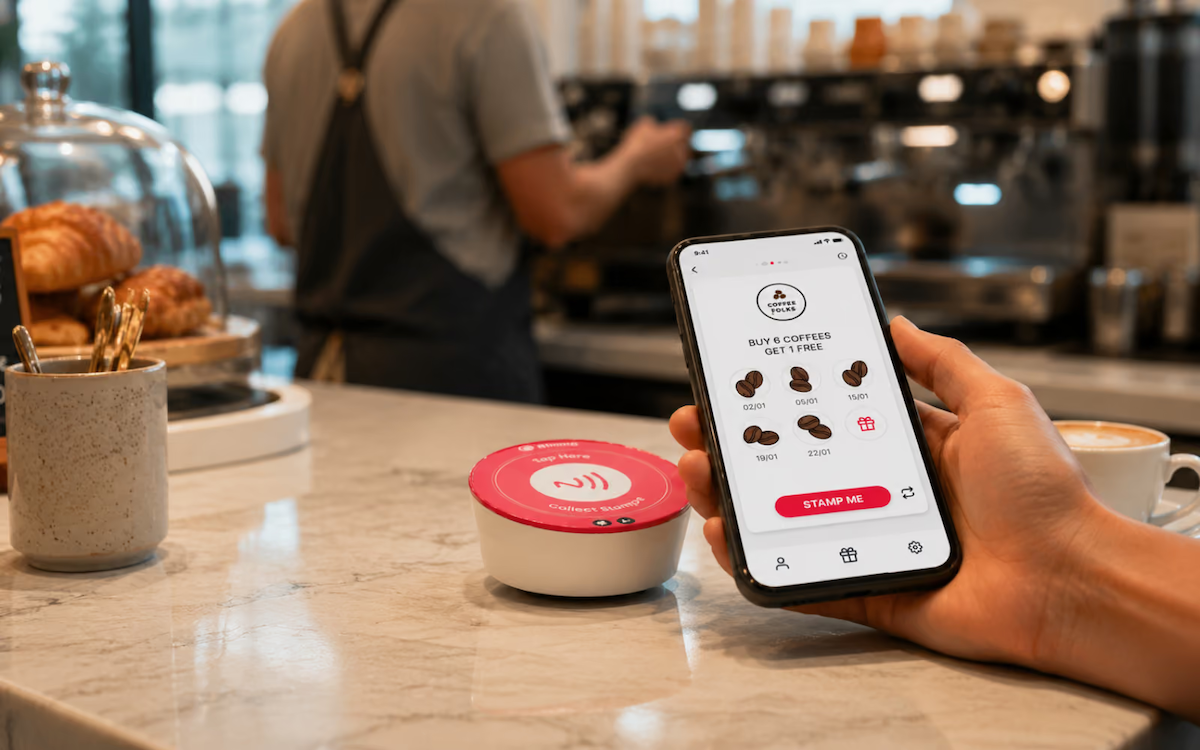
How to fix it: Implementing a simple QR code near the counter, setting up a one-tap registration option, or installing a simple app makes a significant difference.

4. Customers Forget About the Program
Out of sight, out of mind. A customer might genuinely intend to use their loyalty card or app — and then completely forget about it by the time their next visit rolls around. This is especially common for businesses where visits are spaced out, like beauty salons or specialty retailers.
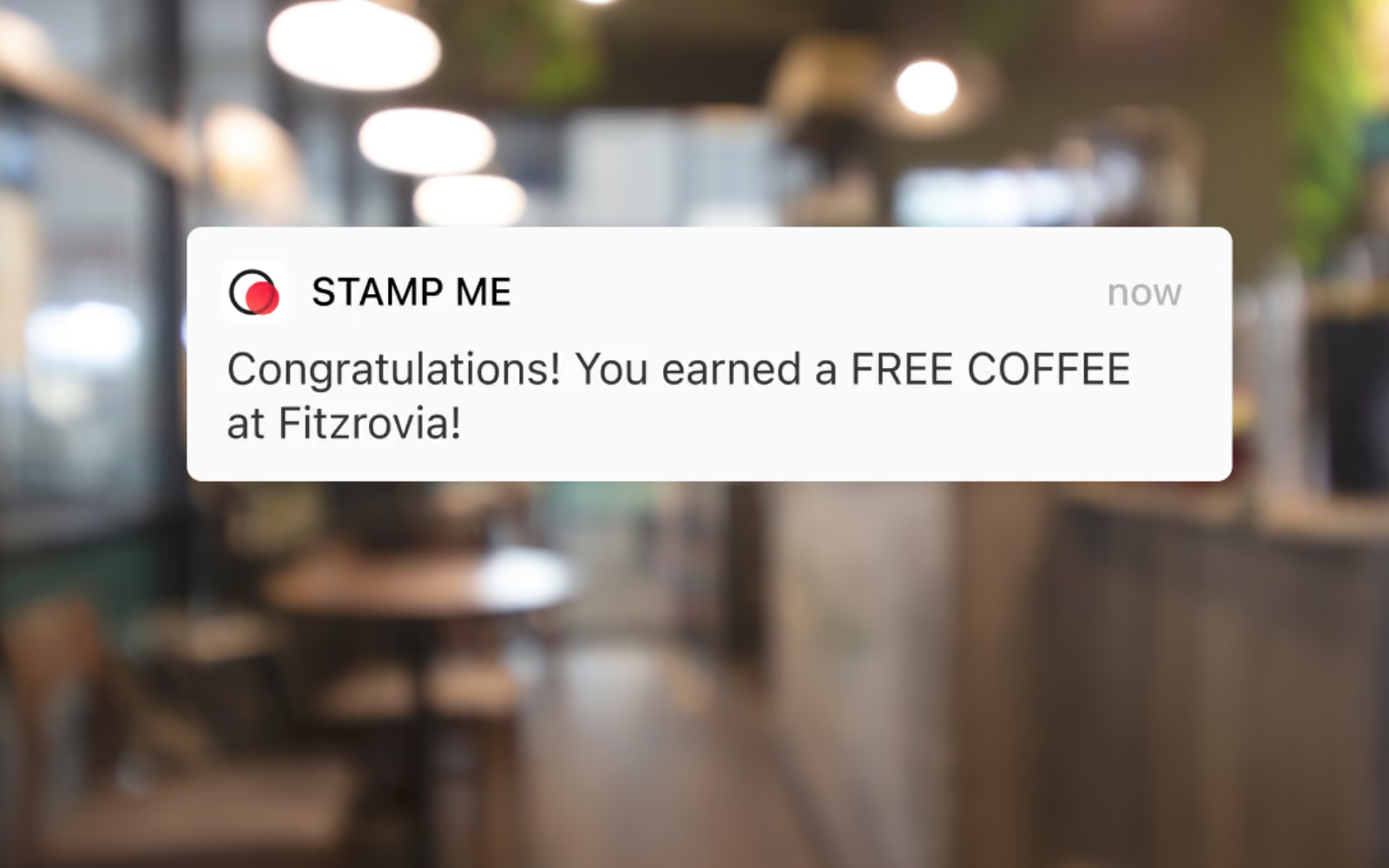
How to fix it: Keep the program visible between visits. In-store, use counter cards, window stickers, and receipts to remind customers of their progress. Digitally, scheduled push notifications or SMS reminders ("You're just 2 visits away from a free treatment!") can bring lapsed customers back through the door.
5. Rewards Aren't Valuable Enough
A reward that doesn't excite anyone won't motivate anyone. A small percentage off a single item or a generic discount voucher rarely gives customers a reason to change their behaviour — especially when a competitor down the street is offering something that feels more worthwhile.
How to fix it: Survey your customers or simply ask your best regulars what they'd love to receive. Free products, exclusive services, birthday perks, and first-access to new menu items or collections tend to resonate far more than modest discounts. Focus on perceived value — a free coffee feels like a treat even if it costs you less than a 10% discount would.
6. The Program Feels Generic
A one-size-fits-all approach rarely builds genuine loyalty. Customers notice when a program feels like a template — the same structure, the same offers, no sense that the business actually knows who they are.
How to fix it: Personalize where you can. Birthday rewards are a simple starting point and consistently perform well. For your best customers, consider VIP tiers, exclusive in-store events, or early access to seasonal collections or new menu launches. When a customer feels like a valued regular rather than just another transaction, they're far more likely to keep coming back.
7. Staff Don't Promote It Consistently
Even the best-designed loyalty program will underperform if the team on the floor isn't talking about it. Inconsistent promotion — where one staff member mentions it enthusiastically and another never brings it up — creates patchy participation and missed opportunities to enrol new members.
How to fix it: Make it part of the service routine. Create a simple script for your team: "Do you have our loyalty card? You'd earn a stamp with today's visit." Run brief training sessions, keep staff updated on any promotions, and consider small team incentives for hitting enrolment targets. Consistent in-store promotion is one of the highest-return habits a small business can build.
8. Customers Don't Visit Often Enough
Some industries naturally have lower purchase frequency — a hair salon customer might visit every six to eight weeks, and a rewards program built on daily cafe logic won't work for that pattern. If the earning structure doesn't match how often customers realistically visit, the program will stall.
How to fix it: Match your reward structure to your visit cycle. Supplement regular visits with bonus point campaigns, referral rewards, or seasonal promotions that give customers an extra reason to come in sooner. A "double stamps this weekend" promotion or a pre-summer styling package can drive visits that wouldn't otherwise have happened.
9. There Is No Ongoing Communication
Launching a loyalty program and then going quiet is one of the most common mistakes small businesses make. Without regular communication, even engaged customers lose track of their progress, forget about upcoming rewards, and drift away.
How to fix it: Build a simple communication rhythm — a monthly update, a progress reminder, or an exclusive member offer sent directly to enrolled customers. Share new menu items, seasonal specials, or upcoming events. This kind of targeted communication keeps your business top of mind and gives customers a reason to walk back through the door.
Note on paper card systems: If you're still running a paper stamp card, you simply don't have access to these communication tools. Digital loyalty programs allow you to reach customers between visits in ways that a paper card never can — and that ongoing connection is often the difference between a customer who drifts and one who stays.

10. You're Not Measuring Engagement Data
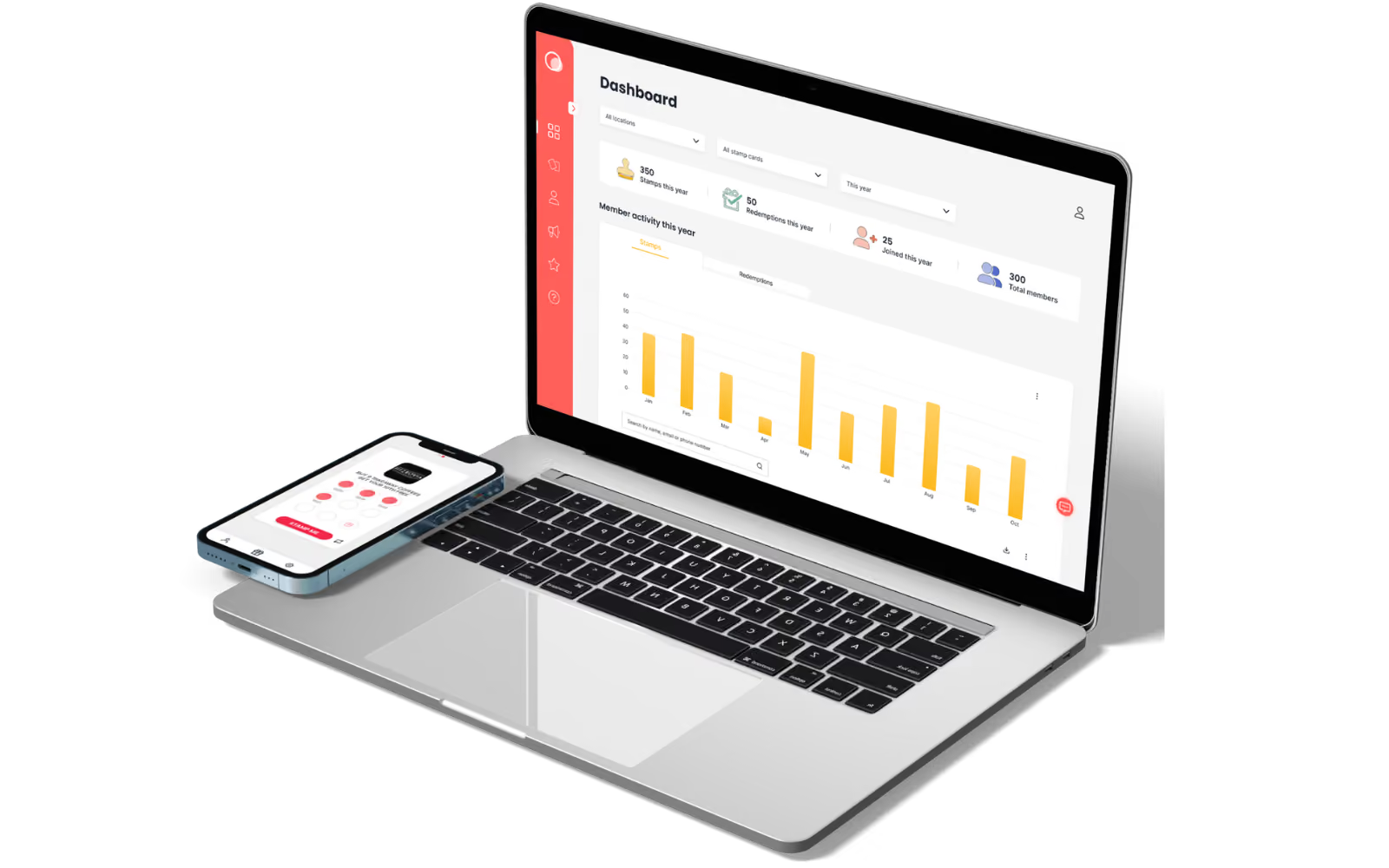
You can't improve what you're not measuring. Many small businesses launch a program without tracking whether it's actually working — and without data, it's impossible to know if participation is growing, stalling, or quietly declining.
How to fix it: At a minimum, monitor:
- Active members (how many customers are regularly engaging)
- Redemption rates (are rewards actually being claimed?)
- Repeat visit frequency (is the program driving return visits?)
- Customer lifetime value (are loyalty members spending more overall?)
Reviewing these figures regularly lets you make small adjustments before small problems become big ones
What Makes a Loyalty Program Successful?
The most effective programs share a few core qualities: they're easy to join, easy to understand, easy to earn from, and easy to redeem. They're consistently promoted by in-store staff, backed by regular communication, and refined over time using real customer data.
Small businesses that get loyalty right don't treat it as a set-and-forget tool. They treat it as an ongoing conversation with their best customers.
How Small Businesses Can Improve Loyalty Program Engagement
If your program needs a reset, start here:
- Simplify enrollment — reduce friction at the point of sign-up
- Lower reward thresholds — make the first reward feel achievable
- Improve reward visibility — remind customers of their progress in-store and between visits
- Communicate regularly — keep members engaged with relevant, timely messages
- Personalize incentives — go beyond generic discounts to rewards customers genuinely want
- Track customer participation— use data to understand what's working and where customers are dropping off
These steps, even implemented gradually, can meaningfully increase repeat visits and improve customer retention over time.
How to Fix A Loyalty Program That Isn’t Working
Loyalty programs don't fail because customers don't want rewards — they fail because the experience gets in the way. Long earning timelines, poor in-store promotion, generic offers, and zero follow-up communication all chip away at participation until the program becomes invisible.
The good news: every one of these problems is fixable. With the right structure, consistent staff promotion, and a digital tool that keeps customers engaged between visits, your loyalty program can become one of the most reliable drivers of repeat business you have.
Stamp Me helps businesses build simple, effective loyalty programs that customers actually use — and keep using.

Enter a few details based on typical customer behaviour to estimate the revenue uplift and ROI a loyalty program could deliver.





.webp)